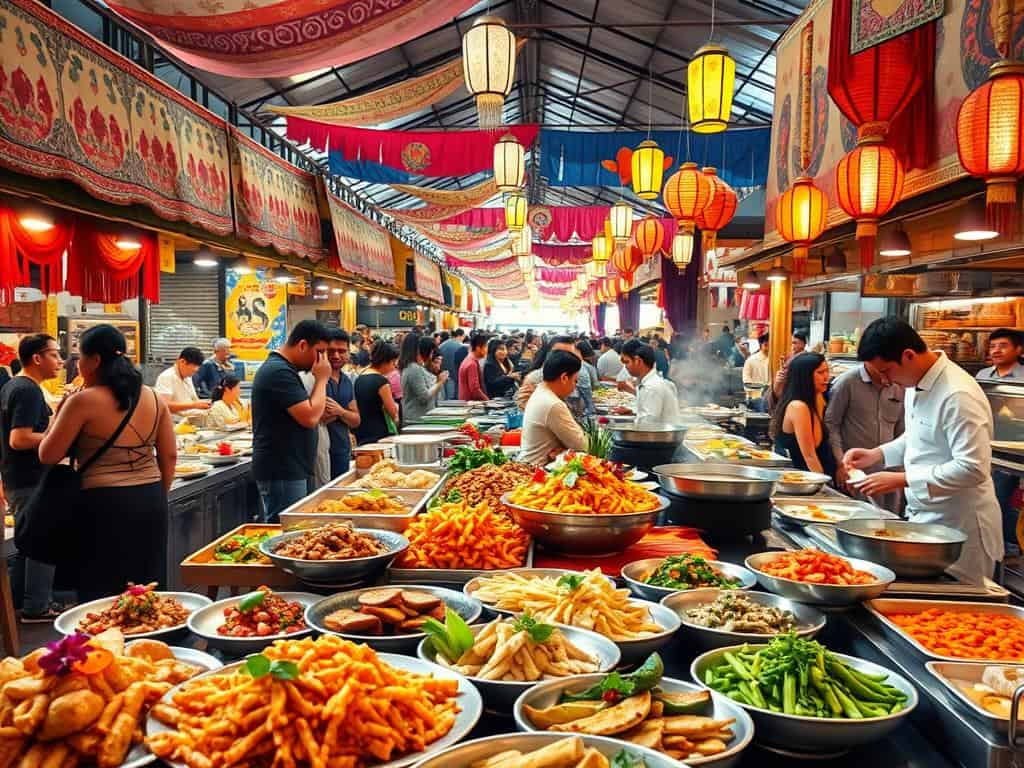
Did you know that by 2025, nearly 46% of consumers will focus on eco-friendly catering? They will look for services that use local products and biodegradable materials. This change is creating new popular trends in the catering world. As we look at these trends, we see a mix of cultural themes, global dishes, and custom experiences. People want to taste unique, local flavors and enjoy food in new ways. Knowing these trends is key for anyone wanting to succeed in the catering industry.
In studying these trends, it’s clear that catering businesses must meet eco-conscious customers’ needs. These customers want delicious meals that also show care for the planet and the community. By following these trends, caterers can offer better dining experiences. They can also meet the varied wishes of clients looking for special and unforgettable events.
Key Takeaways
- The focus on sustainability will become a standard in the catering industry by 2025.
- Interactive dining experiences are gaining traction as guests crave engagement and memorable moments.
- Hyper-local and seasonal ingredients support local farms and enhance flavor profiles.
- Personalized menus that reflect individual dietary needs are expected to be in high demand.
- Fusion cuisine will dominate, highlighting the cultural diversity of culinary experiences.
Cultural Catering Trends Shaping 2025
As 2025 nears, catering is changing due to new cultural trends. Menus will focus on local flavors, helping people feel connected to their roots. This shift supports the desire for real, genuine food experiences. It also helps the environment by using locally sourced ingredients.
People now like meals that share a story and reflect local farming ways. This makes dining more meaningful and enjoyable.
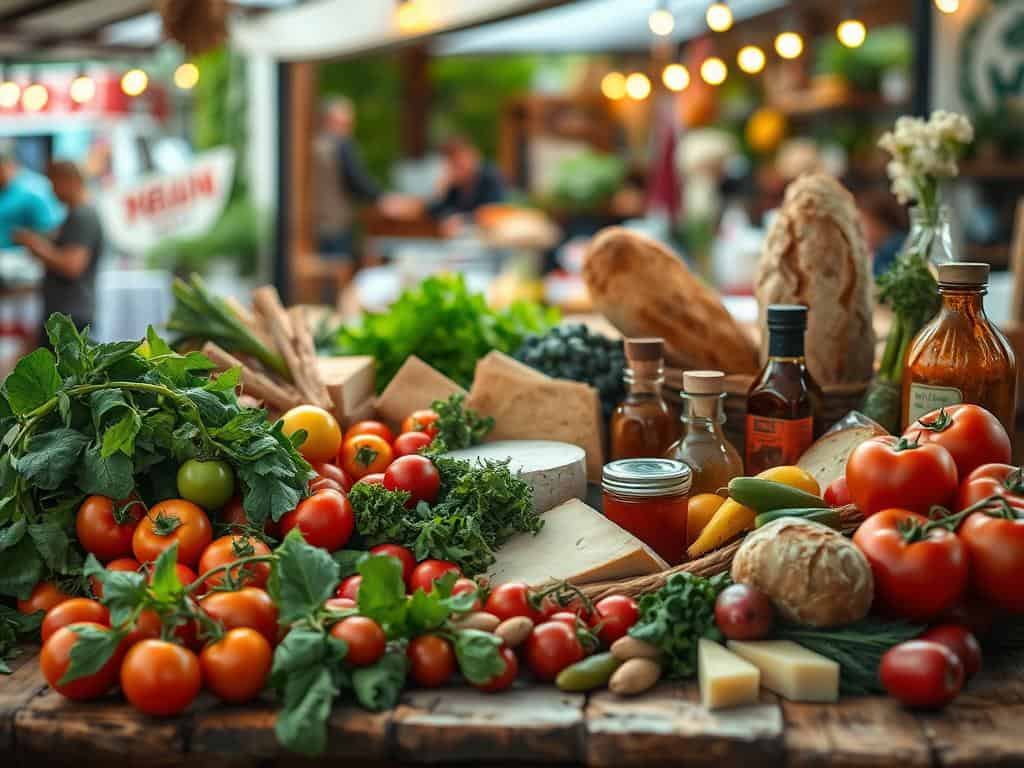
The Shift towards Hyper-Local Flavors
Local flavors are key in catering now, with a move towards using nearby farms’ ingredients. This fits with people wanting quality, ethical meat and produce. By featuring local ingredients, caterers can draw in customers. They promote meals as “made with produce from within 50 miles.”
Offering local dishes makes eating out unique. It meets the demand for high-end menus that are both responsible and delicious.
Embracing Global Fusion Menus
Caterers are mixing global tastes, exciting those who love trying new things. This mix leads to unique dishes like kimchi dippers and churro waffles. Caterers are meeting diverse flavor desires. This lets them offer one-of-a-kind events that are a feast for the senses.
Importance of Personalization in Catering
Customizing menus is key, as client tastes and diets change. Clients now want menu choices that fit their dietary needs. This makes sure everyone enjoys their meal.
This focus on personal choices boosts customer happiness. It also leads to smaller, special menus for close-knit events. By offering meals that meet personal preferences, caterers create unforgettable eating experiences.
The Rise of Interactive Food Experiences
In the world of catering, there’s a cool trend popping up: interactive food fun. As 2025 nears, caterers are getting creative to make eating a group adventure. They’re setting up interactive stations where you can play with your food before you eat it. This fun twist makes meals personalized and gets everyone chatting.
Interactive Food Stations for Engagement
DIY food spots are all the rage, with things like make-your-own poke bowls and taco bars. These spots let you be the chef, mixing up your perfect dish. It’s a hit at parties, and your foodie snaps can go viral on social media. This way of eating turns dinner into an exciting event everyone will remember.
Live Chef Stations and Build-Your-Own Bars
Live chef stations add even more excitement to eating out. Imagine watching a chef whip up Hibachi or gourmet grilled cheese right in front of you. This performance does more than just feed you; it makes you a fan of the art behind your meal. Adding these interactive touches can turn any occasion into a memorable feast, with everyone involved and happy.
Sustainability and Zero-Waste Initiatives
In 2025, sustainability is crucial for catering. We see a big push towards zero-waste in modern catering. Caterers are cutting back on food waste and showing care for the planet. This is because people want eco-friendly catering and clear info about where their food comes from.
Adopting Zero-Waste Catering Practices
To reduce waste, we start with smart menu planning. By using up extra ingredients, we avoid too many leftovers. Working with groups like Replate and Too Good to Go, I help give extra food to those who need it. This boosts community well-being. The EPA helps us find food banks, ensuring no good food is thrown away. I also use composting to turn spoiled food into useful soil, helping my business and local gardens.
Focus on Sustainable Sourcing and Ingredients
Choosing ingredients wisely is a top goal. Buying local cuts down on pollution and supports the nearby economy. This makes us prefer farms that offer seasonal goods. About 70% of caterers are doing this to lower the food carbon footprint. Also, using reusable dishes and serving water in bulk cuts plastic waste. My commitment to the environment makes my catering stand out to clients who value the planet.
