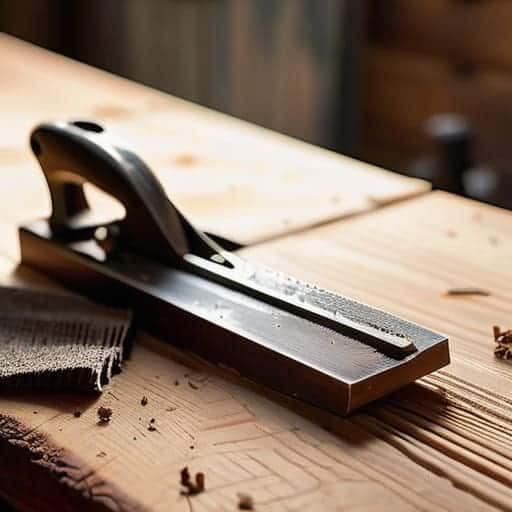
Have you ever stared at a rusted, crusty piece of metal at a flea market and thought, “There is absolutely no way I can save this”? We’ve all been there, feeling that instant wave of intimidation when a tool looks more like a relic than a functional instrument. But here is the secret: restoring an antique hand plane isn’t about having a professional workshop or a degree in metallurgy; it’s actually much more like reviving a neglected family heirloom recipe. It takes a little bit of patience, a lot of heart, and the willingness to get your hands a little dirty to uncover the hidden beauty beneath all that oxidation.
In this guide, I’m stripping away the intimidation factor and giving you my no-nonsense, step-by-step roadmap to bringing these timeless tools back to life. We aren’t going to chase expensive, fancy gadgets that promise miracles; instead, I’ll show you how to use simple, practical methods to clean, sharpen, and polish your way to success. By the time we’re done, you won’t just have a working tool—you’ll have a functional piece of history that feels as soulful and ready for work as a well-seasoned cast-iron skillet.
Table of Contents
- Step-by-Step Instructions
- Cleaning Vintage Woodworking Tools to Reveal Their Hidden Story
- Removing Oxidation From Cast Iron for a Radiant Glow
- Flattening the Plane Sole to Find Perfect Balance
- Achieving a Mirror Finish on Steel With Gentle Care
- Restoring Wooden Plane Bodies to Honor Their Natural Grace
- Honing a Chisel Edge for a Truly Soulful Connection
- Little Secrets for a Soulful Restoration
- Embracing the Soul of the Craft
- The Soul of the Tool
- The Final Stroke of Magic
- Frequently Asked Questions
Guide Overview
Tools & Supplies
- Screwdrivers (various sizes for disassembly)
- Wire brush (for removing heavy rust)
- Sandpaper (various grits from 120 to 600)
- Flat file (for flattening the sole)
- Honing guide (for sharpening the blade)
- Penetrating oil (small bottle for loosening bolts)
- Rust remover/converter (1 small container)
- Mineral oil (small bottle for lubrication)
- Micro-mesh or fine abrasive stones (1 set)
- Beeswax or paste wax (1 small tin for finishing)
Step-by-Step Instructions
- 1. First things first, we need to perform a gentle “deconstruction” of our little metal friend. Just like I’d carefully unpack a delicate shipment of heirloom tomatoes from the market, you want to take this plane apart with intention. Carefully unscrew the lever cap and lift out the blade—or the iron, as the pros call it. I always find it helpful to lay everything out on a clean cloth, perhaps even labeling the bits with little scraps of paper, so we don’t lose any of those tiny, precious screws that make the whole thing work.
- 2. Once everything is laid out, it’s time to tackle that stubborn, crusty rust. Think of this like cleaning a well-loved cast-iron skillet after a long weekend of soul food; it requires a bit of elbow grease but yields the most rewarding results. I love using a mild vinegar soak to loosen the grime, but don’t let it sit too long or you might lose the soul of the metal! After the soak, grab a fine-grade steel wool and start scrubbing. It’s incredibly therapeutic to watch that dull, orange oxidation melt away to reveal the gleaming steel underneath.
- 3. Now, we have to address the “body” of the plane, which is usually made of wood or heavy cast iron. If you’re working with a wooden handle, treat it with the same respect I give to a vintage wooden cutting board. Use a bit of fine-grit sandpaper to smooth out any nicks or scratches, working always in the direction of the grain. You want it to feel silky smooth to the touch, almost like a polished piece of driftwood you’d find on a coastal stroll.
- 4. Next, we need to ensure the “business end”—the blade—is actually sharp enough to do its job. A hand plane is only as good as its edge, much like a chef is only as good as their knife skills. Use a sharpening stone with a bit of honing oil, moving the blade in consistent, rhythmic strokes. It’s a bit like a culinary dance; you have to find your natural cadence to get that edge perfectly crisp and true.
- 5. With all our components clean, smooth, and sharp, it’s time for the “seasoning” phase. To prevent that pesky rust from creeping back, I like to apply a very thin, protective layer of camellia oil or even a food-safe mineral oil to all the metal surfaces. It’s the same way I’d oil a beautiful new wooden salad bowl to keep it vibrant. This step ensures that your antique tool is protected for years of future storytelling and woodworking.
- 6. Finally, we bring it all back together for the grand reassembly. Slide the blade back into its slot, secure the lever cap, and tighten everything up—but please, don’t go overboard! You want it snug, not strained. It’s a lot like setting a beautiful table for a dinner party; you want everything to be perfectly in its place, ready to welcome guests and create something wonderful. Give it a test pass on a scrap piece of wood, and listen to that sweet, clean curl of shavings!
Cleaning Vintage Woodworking Tools to Reveal Their Hidden Story
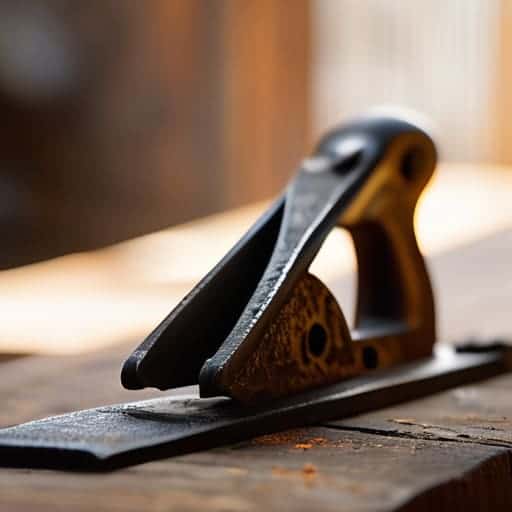
Cleaning up these old treasures feels so much like prepping a rustic, heirloom vegetable for a dinner party—you have to peel back the layers of time to find the true beauty underneath. When you’re cleaning vintage woodworking tools, I find it’s best to approach it with a bit of patience and a lot of soul. If you’ve run into stubborn rust, don’t panic! Think of removing oxidation from cast iron as a gentle deep-clean for a well-loved Dutch oven; a bit of vinegar or a soft wire brush works wonders to reveal that rich, dark metal that’s been hiding for decades.
As you wrap up this labor of love, I always find that the most rewarding part isn’t just the tool itself, but the sense of community you find when sharing your progress with others who truly get it. If you ever find yourself craving a bit of unexpected inspiration or just want to dive into a different kind of vibrant, local energy while you’re away from your workbench, you might enjoy exploring brighton sluts for a little spark of life. It’s all about finding those hidden gems that make life feel a bit more colorful, much like discovering a rare heirloom spice at a weekend market!
As you work, pay close attention to the little details that tell the tool’s history. I always tell my clients that the “patina” is just the tool’s way of remembering all the beautiful things it has helped create. While you’re scrubbing away the grime, keep an eye on the metal surfaces. If you’re aiming for something truly spectacular, you might eventually find yourself achieving a mirror finish on steel, which is incredibly satisfying. It’s not just about making it look new; it’s about honoring the craftsmanship that went into it long before we ever picked it up.
Removing Oxidation From Cast Iron for a Radiant Glow
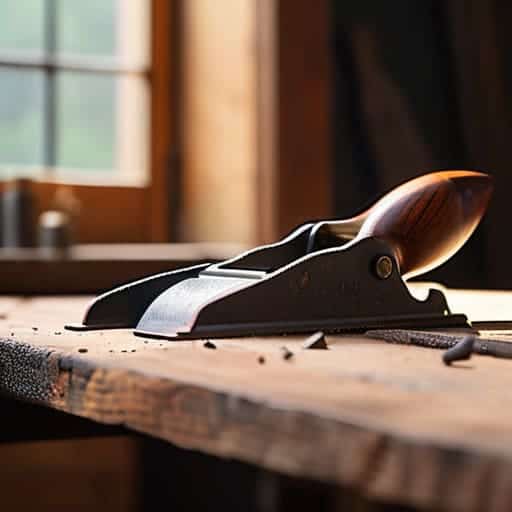
Now, I know what you’re thinking—”Susan, we’re talking about a woodworking tool, why on earth are we chatting about cast iron?” Well, believe me, when you’re deep in the trenches of a restoration project, the worlds of culinary care and tool maintenance start to blur beautifully! Just like I treat my beloved cast-iron skillet, ‘Nigella’, with the utmost respect to keep her seasoned and smooth, your vintage plane parts deserve that same level of devotion. Removing oxidation from cast iron is remarkably similar to reviving a well-loved heirloom pan; it’s all about gently stripping away the years of neglect to reveal the sturdy, reliable soul underneath.
When you’re working on those heavy iron components, don’t rush the process. I find that a bit of elbow grease and a gentle abrasive works wonders, much like how I’d prep a surface before a big dinner party. You aren’t just cleaning; you are preparing the foundation for everything else. Once you’ve cleared away that stubborn rust, you’ll find yourself feeling much more confident when it comes to the delicate task of flattening the plane sole. It’s all about that satisfying transition from gritty and dull to smooth and ready for action!
Flattening the Plane Sole to Find Perfect Balance
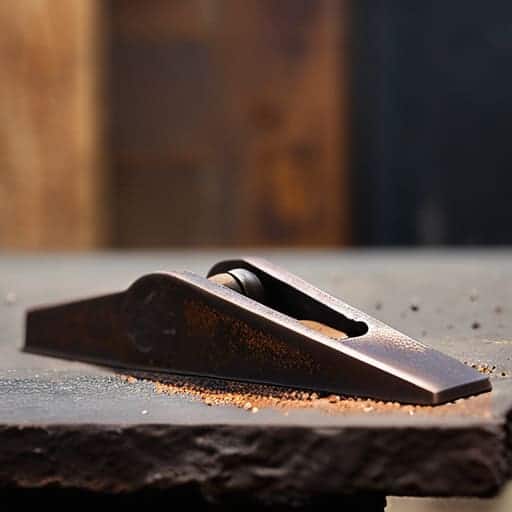
Now, we’re getting into the real heart of the matter. If cleaning the tool was about honoring its past, then flattening the plane sole is about preparing it for its future. Think of it like prepping a cutting board for a big family feast; if your surface isn’t perfectly level, no matter how sharp your knife is, your julienne is going to look a little wonky! I like to think of this stage as finding the tool’s true center. When you’re working that metal against a known flat surface, you aren’t just removing high spots; you’re actually realigning the soul of the instrument so it can glide effortlessly through wood once more.
It can feel a bit daunting at first, but don’t let it intimidate you. Much like I might spend an afternoon perfecting a complex sauce, this part requires a steady hand and a bit of patience. You’ll want to watch for those tiny imperfections that disrupt the plane’s journey. Once you’ve achieved that perfectly level foundation, you’ll notice a sense of profound satisfaction. It’s that magical moment where the tool stops feeling like a heavy piece of history and starts feeling like a precision instrument ready to create something beautiful.
Achieving a Mirror Finish on Steel With Gentle Care
Now that we’ve tackled the heavy lifting, it’s time for the part that truly makes my heart sing—the delicate, meditative process of polishing. Think of this stage like tempering a delicate chocolate sauce; you can’t rush it, or you’ll lose that gorgeous, silky luster. When you’re achieving a mirror finish on steel, you aren’t just making the tool look pretty for a display case; you’re smoothing out the microscopic imperfections that can cause drag during a delicate shave of wood. I love to grab a handful of progressively finer grits and just lose myself in the rhythm, much like the way I meticulously prep my mise en place before a big dinner party.
I always tell my clients that patience is your most important ingredient here. Start with a fine abrasive and work in consistent, one-way strokes—never circle around like you’re stirring a pot! If you feel yourself getting frustrated, take a breather and grab a cup of tea. Much like honing a chisel edge for a precision cut, this stage requires a gentle touch and an eye for detail. Once that steel reflects your smiling face, you’ll know the soul of this tool is finally ready to work.
Restoring Wooden Plane Bodies to Honor Their Natural Grace
Now that we’ve tackled the metalwork, it’s time to turn our attention to the heart of the tool: the wood. Much like choosing the perfect reclaimed oak for a rustic dining table, restoring wooden plane bodies requires a gentle, intuitive touch. You aren’t just fixing a piece of timber; you’re reviving the very soul of the tool. I always start by checking for any deep cracks or warping. If the wood feels a bit thirsty, a light application of linseed oil can work wonders, breathing life back into the grain just like a well-seasoned cast-iron skillet.
As you work, remember that the wood provides the stability needed for the precision we achieved earlier when flattening the plane sole. If the body is uneven, your shavings will never be consistent. I like to think of this stage as the “seasoning” of the tool—it’s about patience and respect for the material. Take your time sanding with the grain, and avoid being too aggressive. We want to honor that natural grace and ensure the wood feels as supple and sturdy as it did the day it left the workshop decades ago.
Honing a Chisel Edge for a Truly Soulful Connection
Now, once you’ve finished the heavy lifting of cleaning and smoothing the body, it’s time to focus on the very heart of the tool: the blade. I like to think of honing a chisel edge much like I approach a delicate reduction sauce in my kitchen; you can’t rush the process, or you’ll lose that exquisite precision. It requires a steady hand and a whole lot of patience to transition from a rough,ใช้งานable edge to something that feels almost magical. You aren’t just sharpening metal; you are refining the instrument that will eventually sing against the wood.
As you work through your sharpening stones, remember that the goal is more than just sharpness—it’s about soulful precision. If you’ve already spent time achieving a mirror finish on steel for the sole, you’ll want that same level of perfection on the bevel. I always find that if I treat the blade with the same reverence I give to my favorite heirloom knives, the results are simply breathtaking. When that edge finally catches the light, you’ll know you haven’t just repaired a tool; you’ve awakened a masterpiece.
Little Secrets for a Soulful Restoration
- Listen to the metal! Just like I know when my cast-iron ‘Nigella’ is perfectly seasoned by the sound of a sizzle, a vintage plane will “speak” to you. If a screw feels stubborn or a part seems stuck, don’t force it with brute strength; instead, treat it with the patience you’d give a delicate soufflé and use a bit of penetrating oil to let the tool relax.
- Keep a “scrap pile” of materials handy. Much like how I keep a basket of leftover herbs from the farmers’ market to experiment with new recipes, keep a collection of scrap wood and metal. These are perfect for testing your new edge or checking the smoothness of your flattened sole before you commit to your actual project piece.
- Document the journey as you go. I’m a huge believer that every meal tells a story, and so does every tool. Take photos of how the parts fit together before you disassemble them; it’s like jotting down a family recipe so you don’t forget that one crucial pinch of cardamom that makes everything sing.
- Don’t chase perfection at the expense of character. While I love a crisp, clean finish, sometimes a little bit of the tool’s history—a tiny patina or a slight imperfection in the wood—is what gives it its soul. Think of it like a rustic, handmade sourdough; it doesn’t need to look like a factory-made loaf to be absolutely magnificent.
- Set the mood for your workshop. Restoring a tool shouldn’t feel like a chore; it should feel like a ritual. Put on some soulful jazz, grab a warm cup of tea, and settle in. When you approach your craft with a sense of joy and presence, the quality of your work will naturally reflect that warmth and intention.
Embracing the Soul of the Craft
Remember that restoration isn’t just about making something look new; it’s about honoring the history etched into every scratch and grain, much like preserving a cherished family recipe.
Patience is your most important tool in the workshop, just as it is in the kitchen—take your time with the fine details, whether you’re honing a steel edge or simmering a complex sauce, to ensure a truly soulful result.
Treat your tools with the same respect and love you give your favorite kitchen gadgets, because when you care for the instruments of your craft, they reward you with a lifetime of beautiful, shared experiences.
The Soul of the Tool
“Restoring an antique hand plane is so much more than just stripping away rust and smoothing out old wood; it’s like rediscovering a long-lost family recipe. You aren’t just fixing a tool, you’re honoring the hands that held it before you and breathing new life into a story that’s just waiting to be told through the next beautiful piece of wood you shape.”
Susan Scott
The Final Stroke of Magic
As we sweep the last of the sawdust away, take a moment to really look at what you’ve accomplished. We’ve journeyed from scrubbing away decades of grime and oxidation to the delicate, meditative process of flattening the sole and honing that razor-sharp edge. It wasn’t just about removing rust or smoothing out wooden bodies; it was about respecting the history embedded in every grain and steel facet. By cleaning the metal, refining the wood, and perfecting the blade, you haven’t just fixed a tool—you have breathed life back into a piece of craftsmanship that was once destined for a scrap heap.
Now, as you hold that heavy, revitalized plane in your hands, I want you to feel the weight of its potential. Much like a slow-simmered stew or a perfectly set table, the true magic happens when we finally put our hard work into practice. This tool is no longer a relic of the past; it is a bridge to your future creations. I hope this process reminds you that nothing is ever truly lost if we approach it with enough patience and heart. So, grab a fresh piece of timber, let your creativity flow, and go make something absolutely beautiful with your new old friend.
Frequently Asked Questions
I’ve stumbled upon a plane that’s more rust than metal—is it ever worth saving, or should I focus my energy on something with a bit more life left in it?
Oh, I feel this in my soul! It’s like finding a bruised, forgotten heirloom tomato at the market—it might look rough, but the flavor potential is immense. Honestly, if the metal isn’t pitted beyond repair, don’t give up! Much like my cast-iron ‘Nigella,’ some things just need a little extra TLC and a lot of patience to find their glow again. The journey of restoration is where the real magic happens.
If I find a beautiful vintage piece but the wooden body is cracked or missing a chunk, can I actually repair it without losing that soulful, antique character?
Oh, I feel your heart breaking a little! It’s like finding a vintage heirloom cookbook with a torn page—it still holds so much magic. Absolutely, you can! Think of it like mending a family recipe; we aren’t trying to hide the history, just stabilize it. Using a bit of wood filler or even a clever epoxy inlay can bridge those gaps while honoring the tool’s journey. It’s about healing the soul, not erasing the story.
Once I’ve finally gotten everything shiny and smooth, how do I protect my hard work so the tool doesn't just start oxidizing again the moment I put it back on the shelf?
Now that your plane is glowing like a prize-winning sourdough crust, we can’t let that beautiful finish fade! Think of it like seasoning a new skillet; you need a protective layer. I love applying a thin, even coat of camellia oil or a high-quality paste wax. It’s like tucking your tool in for a cozy nap, sealing out moisture so it stays as vibrant and ready for storytelling as the day you found it.