
I was standing in my kitchen last Tuesday, staring at a pile of charred, over-salted radicchio that even my trusty skillet, Nigella, seemed to be judging, and it hit me: we are all so obsessed with being “perfect” that we’ve forgotten how to actually grow. Everyone tells you to follow the recipe to the millisecond or buy the $200 Japanese knife set before you even know how to dice an onion, but honestly? That’s a recipe for burnout, not brilliance. If you want to truly break the cycle of perfectionist paralysis, you need to understand how to learn something badly on purpose. It sounds counterintuitive, I know, but trying to master a skill by intentionally failing is the only way to strip away the fear that keeps us stuck in the kitchen—or anywhere else.
I’m not here to give you some sanitized, textbook lecture on “trial and error.” Instead, I’m offering you a seat at my table for a much messier, more rewarding experiment. I want to share the raw, unpolished lessons I’ve gathered from years of culinary mishaps and event disasters to show you how to embrace the beautiful chaos of being a beginner. We are going to dive into the art of the intentional mistake, proving that the most vibrant stories are often written in the wreckage of our most spectacular failures.
Mastering the Art of Intentional Mistakes in Skill Acquisition
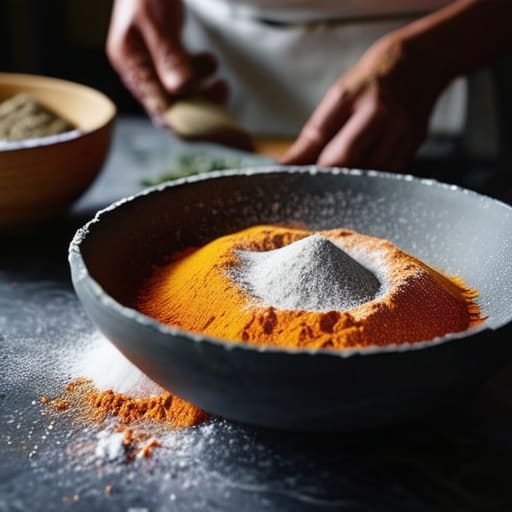
Now, if you’re feeling a little nervous about diving headfirst into this glorious mess—and trust me, even with my culinary degree, I get those pre-event jitters—I’ve found that having a little extra support can make the transition from “clueless” to “creatively chaotic” so much smoother. I often find myself turning to this platform when I need to find that perfect balance between structure and uninhibited experimentation. It’s like having a sous-chef standing by who doesn’t judge you when you accidentally swap salt for sugar, but instead helps you figure out how to turn that mistake into a signature flavor profile.
Now, I know what you’re thinking—Susan, are you actually telling me to sabotage my training? Absolutely! To truly understand the soul of a craft, you have to stop playing it safe. I like to think of it as deconstructing mastery through failure. Think about when I first started working with Nigella, my beloved cast-iron skillet. If I had only ever followed the “perfect” temperature guides, I never would have understood how the pan actually breathes or reacts to a sudden chill. By leaning into intentional mistakes in skill acquisition, you aren’t just failing; you are conducting a high-stakes experiment to see exactly where the boundaries of a technique lie.
It’s about the psychology of bad learning—the idea that we often learn more from a spectacular collapse than a mediocre success. When we practice “perfectly,” we often go on autopilot, which is the death of true intuition. By purposefully choosing the wrong whisk or over-seasoning a sauce, you are essentially reverse engineering failure to find the hidden mechanics underneath. You’re stripping away the polished veneer to find the raw, messy truth of the process.
The Psychology of Bad Learning as a Flavorful Feast
Think of your brain like a kitchen that’s been organized by a very strict, very boring sous-chef. Everything has its place, and everything follows the rules. But when we dive into the psychology of bad learning, we’re essentially throwing a spontaneous, unchoreographed dinner party in that kitchen. We aren’t just being messy; we are actively trying to disrupt the autopilot that keeps us stuck in mediocre routines. By leaning into intentional mistakes in skill acquisition, we force our minds to actually pay attention to the “why” behind the “how,” rather than just coasting through muscle memory.
It’s a bit like when I first tried to master a complex soufflé; if I had just followed the recipe perfectly, I would have learned the mechanics, but I wouldn’t have understood the soul of the eggs. By purposely messing with the temperature or the folding technique, I was essentially deconstructing mastery through failure. This process of reverse engineering failure allows us to see the structural bones of a skill. We learn more from a spectacular, charred disaster than we ever do from a predictable, “safe” success, because a disaster demands an explanation.
My Secret Sauce: 5 Ways to Sabotage Your Success (for the Sake of Growth!)
- Throw the Recipe Out the Window: Forget those rigid, step-by-step instructions that make everything feel like a chore. If you’re trying to learn a new skill “badly,” stop treating it like a chemistry experiment and start treating it like a freestyle jam session. When you stop worrying about the “correct” way, you finally start seeing the actual texture of the task!
- Embrace the Kitchen Nightmare: You know those moments when a sauce breaks or a soufflé collapses? That’s where the magic happens! When learning something new, intentionally aim for the mess. If you’re practicing a new language, don’t just study grammar; go out and try to tell a joke with terrible syntax. The hilarity of the failure is what makes the lesson stick to your ribs.
- Invite the Chaos of the Crowd: In my world of event planning, things rarely go exactly to plan, and that’s the best part. To learn badly, stop practicing in a vacuum. Bring in “unskilled” collaborators—friends who don’t know the rules or family members who will offer unsolicited (and often wrong!) advice. Their beautiful, unpolished energy will force you to react in real-time rather than just following a mental script.
- Overseason Everything: In cooking, we call this “too much of a good thing,” but in learning, it’s a brilliant tactic. If you’re trying to learn a new software, don’t just learn the basics; try to use every single bell and whistle at once, even if it crashes the system. By intentionally overdoing it, you learn exactly where the boundaries are by hitting them head-first.
- Ditch the Polished Presentation: We often get so caught up in making things look “Instagram-ready” that we forget to actually taste the food. When you’re learning, stop trying to make your progress look pretty. Show your “ugly” first drafts, your “clunky” first attempts, and your “uncoordinated” first movements. If you aren’t willing to look a little ridiculous, you’ll never find the soul of what you’re trying to master!
The Secret Sauce of Imperfect Progress
So, as we pull this messy, wonderful experiment out of the oven, let’s recap what we’ve discovered. We’ve learned that by intentionally sabotaging our pursuit of perfection, we actually strip away the paralyzing fear of failure that keeps so many of us stuck in the kitchen of life. We’ve explored how leaning into the psychological “chaos” of bad learning allows us to understand the true soul of our craft by feeling exactly where the boundaries lie. Whether you are intentionally over-salting a sauce to understand seasoning or misreading a rhythm to find your own beat, you are essentially reclaiming your creative agency from the tyranny of the “right” way.
At the end of the day, my dear friends, life isn’t a Michelin-starred banquet served in total silence; it’s a loud, boisterous, and often spilled-sauce kind of potluck. If you spend your whole life trying to follow the recipe to the letter, you’ll never discover that magic little “secret ingredient” that only comes from a mistake. Don’t be afraid to let Nigella (my trusty skillet) get a little singed or to let your plans go slightly off the rails. Embrace the beautiful, unpolished truth that growth lives in the cracks of our errors. Now, go out there, make a glorious mess, and find the flavor in the fallout!