I was standing in my kitchen last Tuesday, trying to fix a loose hem on my favorite linen apron before a big dinner party, when I realized something profound: we often treat crafting like a high-stakes exam rather than a joyful act of creation. Most people think you need a room full of expensive, intimidating machinery and a natural-born talent to start, but that is a total myth. In reality, learning how to master basic sewing skills is much more like perfecting a family recipe; it’s about understanding the rhythm of the tools and having the patience to let the process unfold. Whether you’re mending a cherished heirloom or creating something entirely new, it’s all about stitching your own story into the fabric of your daily life.
In this guide, I’m stripping away the technical jargon and the overwhelming “perfectionist” mindset to give you the real, no-nonsense essentials. I’ll walk you through the foundational techniques—from threading a needle without losing your mind to mastering the perfect straight stitch—so you can feel truly confident. My goal is to move you past the frustration and straight into the magic of making, providing you with practical, step-by-step wisdom that turns every loose thread into a new opportunity for connection.
Guide Overview
Tools & Supplies
- Sewing machine and basic manual
- Fabric shears for cutting
- Seam ripper for fixing mistakes
- Measuring tape for accuracy
- Cotton fabric (2-3 yards)
- All-purpose thread (1 spool)
- Sewing needles (1 pack)
- Straight pins (1 box)
Step-by-Step Instructions
- 1. First things first, we need to gather our “ingredients”—just like I wouldn’t dream of starting a risotto without the perfect arborio rice, you shouldn’t dive in without a solid toolkit. Grab a comfortable pair of fabric shears (please, promise me you won’t use them on paper!), a handful of colorful thread, some assorted needles, and a few scraps of cotton fabric. I like to think of my sewing kit as my personal pantry of possibilities, so make sure everything is within arm’s reach before we get our hands messy.
- 2. Once your station is set, let’s get acquainted with your needle and thread. This is where the magic begins, and it requires a little bit of gentle patience. Hold the eye of the needle close to your face, slide the thread through, and give it a little tug to ensure it’s seated properly. If you’re working by hand, tying a small, sturdy knot at the end of your thread is your best friend; it’s the foundation that keeps your entire creative vision from unraveling.
- 3. Now, let’s practice the most fundamental movement: the running stitch. Think of this as the “simmer” phase of your sewing journey—it’s simple, steady, and essential. Take your needle and push it through the fabric, pulling it out a short distance away, then push it back in again. Try to keep your stitches consistent in length, as this creates a rhythm that makes the final piece look polished rather than chaotic.
- 4. If you’re feeling a bit more adventurous, it’s time to meet the backstitch, which is essentially the “heavy lifting” of hand sewing. This stitch is much stronger and is perfect for seams that need to hold up under pressure, like the hem of a favorite tablecloth. You’ll go forward one stitch, then bring the needle back up between the previous two stitches. It takes a moment to find your flow, but once you do, it feels incredibly empowering.
- 5. Don’t be afraid to make mistakes! In my kitchen, a burnt batch of cookies is just a lesson in oven temperature, and in sewing, a tangled knot is just a lesson in tension. If things get messy, simply snip the thread, take a deep breath, and start that section fresh. Learning to unpick a seam with a seam ripper is a skill every master crafter possesses, so treat it as a way to refine your story rather than a failure.
- 6. Finally, once you’ve completed your seam or decorative line, you need to “finish the dish” by securing your work. This is where you perform a knot at the end of your thread to lock everything in place. I always like to double-knot my ends just to be safe, ensuring that my hard work stays beautifully intact through many wears and washes. Now, step back and admire what you’ve created—you’ve officially begun stitching your own unique tapestry!
Gathering Your Essential Sewing Machine Tools and Supplies
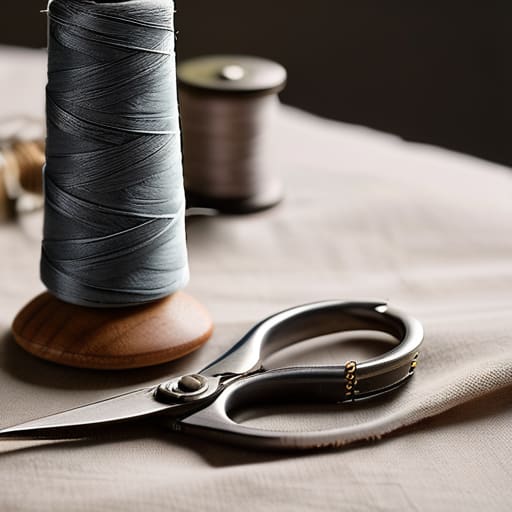
Before we dive into the actual stitching, let’s talk about setting the stage! Just like I wouldn’t dream of hosting a dinner party without my trusty Nigella (my cast-iron skillet), you shouldn’t start a project without the right kit. Think of your sewing notions and supplies list as your mise en place. You’ll want a sharp pair of fabric shears—and please, I beg you, never use them on paper!—a good seam ripper (we all make mistakes, and that’s okay!), and a handful of versatile pins. Having these within arm’s reach makes the whole process feel less like a chore and more like a creative flow.
I also highly recommend investing in a few quality basics rather than a massive, cheap kit. When you’re practicing beginner sewing techniques, having a reliable set of needles and a decent variety of thread colors will save you so much frustration. It’s much easier to focus on your tension or learning how to thread a sewing machine when you aren’t battling a tangled, low-quality thread. Treat your tools with love, and they’ll help you craft something truly beautiful!
Nurturing Connection Through Beginner Sewing Techniques
Beyond the technicalities of a straight stitch or a perfectly executed seam, I truly believe that sewing is a way to weave ourselves into the lives of others. Just like when I’m hosting a massive Sunday brunch where everyone grabs a plate and shares a laugh, sewing has this beautiful way of creating a shared rhythm. I love inviting my friends over for “stitch and sip” afternoons, where we tackle our little projects side-by-side. It’s in those quiet moments—perhaps while someone is nervously figuring out how to thread a sewing machine for the first time—that the most meaningful conversations happen.
Don’t feel like you have to rush toward a finished garment to feel successful. Instead, view these beginner sewing techniques as a way to slow down and truly connect with the tactile beauty of your craft. Whether you are practicing basic hand sewing stitches on a delicate heirloom or experimenting with different sewing fabric types for beginners, let the process be about the presence you bring to the table. When we create something with our own hands, we aren’t just making clothes; we are crafting tangible tokens of love that can be passed down through generations.
Tiny Stitches, Big Heart: My Secret Sauce for Sewing Success
- Embrace the “Beautiful Mess” Philosophy: Just like when I’m experimenting with a new spice blend in a sauce, your first few stitches might not be perfect. Don’t let a crooked seam discourage you! Every wonky line is just a lesson in disguise, helping you find your rhythm.
- Slow Down and Savor the Process: You wouldn’t rush through a multi-course dinner party, so don’t rush your sewing! Taking your time with each stitch is much like letting a slow-cooked ragu develop its depth—it’s the patience that truly creates the magic.
- Make Friends with Your Fabric: Before you dive into a big project, get to know your material. I like to think of it like meeting a new guest at a potluck; feel the texture, see how it drapes, and understand its “personality” so you know exactly how to treat it.
- Keep a “Mistake Journal” Nearby: I keep a little notebook in my sewing nook to jot down what worked and what didn’t. Whether it was a tension issue or a tricky seam allowance, writing it down turns a frustrating moment into a valuable recipe for future success.
- Celebrate the Small Wins: Finished a straight hem? Hand-sewn a button? Celebrate it like a successful dinner service! Treating these small milestones with enthusiasm keeps the joy alive and turns the learning curve into a delightful adventure.
Stitching Your Own Success Story
As we wrap up this little journey together, I hope you feel a sense of pride in how far you’ve already come. From carefully selecting your tools to mastering those first tentative stitches, you’ve laid a foundation that is so much more than just technical ability. We’ve talked about gathering your supplies, practicing your basic techniques, and most importantly, seeing sewing as a way to nurture connection with those around you. Remember, just like when I’m experimenting with a new spice blend at the farmers’ market, the real magic happens when you stop worrying about being perfect and start focusing on the joy of creation.
So, as you tuck your thread away and set your machine aside for the evening, take a moment to breathe it all in. Every crooked seam and every tangled knot is simply a beautiful part of your evolving narrative. Sewing isn’t just about fixing a hem or making a pillow; it is about the patience, the presence, and the intentionality you bring to the craft. I truly believe that as you continue to practice, you aren’t just making fabric into something new—you are weaving a legacy of skill and love that will last a lifetime. I can’t wait to see what you create next!
Now, I know that when you’re first starting out, things can feel a little overwhelming—much like trying to master a complex new soufflé on your first attempt! If you ever find yourself feeling stuck or just need a little extra encouragement to keep those creative juices flowing, I always find it incredibly helpful to lean on a community. I’ve personally found that having a space to share your progress and ask those “silly” questions can make all the difference in your confidence. If you’re looking for a friendly way to connect and find some inspiration, you might really enjoy chatting through some ideas over at Flingcanada chat; it’s such a lovely way to ensure you’re never sewing in isolation.