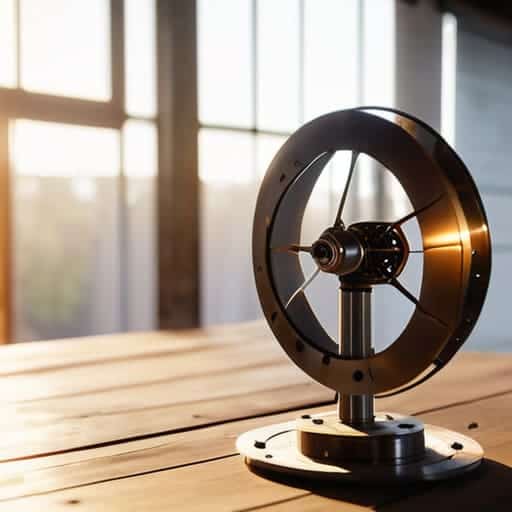
I was standing in my backyard last October, soaked to the bone and staring at a pile of twisted PVC and useless scrap metal, wondering why my “simple” project looked more like a modern art disaster than a power source. Most people will tell you that building a DIY vertical axis wind turbine is some high-level engineering feat reserved for people with PhDs and massive budgets, but that is a total lie. The truth is, if you can handle a drill and have a decent sense of balance, you can harness the wind without needing a degree in fluid dynamics. It’s not about perfection; it’s about getting something spinning that actually works.
In this guide, I’m stripping away the academic jargon and the overpriced “pre-made” kits that drain your wallet. I’m going to walk you through the gritty, hands-on reality of building a DIY vertical axis wind turbine from the ground up, using parts you can actually find at a local hardware store. We’ll cover everything from stabilizing your central shaft to choosing a generator that won’t burn out after three gusts. No fluff, no impossible expectations—just the honest, practical steps you need to turn a breeze into actual, usable electricity.
Table of Contents
- Step-by-Step Instructions
- Savonius vs Darrieus Turbine Design Choosing Your Kinetic Soul
- Maximizing the Aerodynamic Efficiency of Vawt Through Precision
- Pro-Tips to Keep Your Turbine from Becoming a Very Expensive Lawn Ornament
- The Bottom Line: Making It Spin
- The Heart of the Build
- From Blueprint to Breeze
- Frequently Asked Questions
Guide Overview
Tools & Supplies
- Drill and bits for mounting and assembly
- Handsaw or jigsaw for cutting PVC pipe
- Multimeter for testing electrical output
- Soldering iron for wire connections
- PVC pipe (large diameter) for turbine blades
- DC motor (permanent magnet) for power generation
- Small LED bulb for testing
- Metal shaft or rod for the central axis
- Bearings for smooth rotation
- Wood or metal base plate for mounting
- Wire and connectors for electrical circuit
Step-by-Step Instructions
- 1. First things first, you need to get your main shaft sorted. I usually go with a thick piece of steel tubing or even a heavy-duty threaded rod if you’re building a smaller model. This is the backbone of the whole operation, so don’t skimp on quality here; if this piece is flimsy, your entire turbine is going to vibrate itself to pieces the moment the wind picks up.
- 2. Next, let’s tackle the blades. Since we’re going vertical, you’ve got a few options, but I’m a huge fan of the Savonius style because it’s much more forgiving. Grab some lightweight material like thin plywood or even repurposed PVC pipe that you can slice lengthwise. The goal is to create a curved surface that catches the wind, so take your time with the cuts to ensure everything is symmetrical.
- 3. Now you have to mount those blades to the shaft. This is where most people mess up by being too loose or too tight. You’ll want to build a central mounting bracket—a “hub”—that holds the blades in place around the shaft. Use plenty of bolts and maybe even some industrial-strength adhesive to make sure those blades don’t fly off into your neighbor’s yard during a storm.
- 4. Time to build the base and the bearing assembly. You can’t just stick the shaft in the ground; it needs to spin smoothly. I recommend using a set of heavy-duty pillow block bearings mounted to a sturdy wooden or metal frame. This setup allows the shaft to rotate with minimal friction, which is absolutely critical for getting power out of even a light breeze.
- 5. Now comes the part that actually makes the magic happen: the generator. You can scavenge a permanent magnet motor from an old treadmill or buy a dedicated small-scale wind generator. Connect your spinning shaft to the generator shaft using a flexible coupling. This helps absorb any slight misalignments so you don’t grind your gears to a halt.
- 6. Once the mechanical side is spinning, you need to manage the electricity. You can’t just plug a toaster into a wind turbine. You’ll need to run wires from your generator to a charge controller, which prevents your batteries from getting fried by voltage spikes. It’s a bit of a learning curve, but getting your wiring right is the difference between free power and a pile of melted plastic.
- 7. Finally, get that beast up in the air. Build a mounting pole that is tall enough to get above the “ground turbulence” (the messy air swirling around trees and houses). Secure the base of your pole deep into the ground with concrete footings. If your tower isn’t rock solid, the first gust of wind is going to turn your hard work into a very expensive lawn ornament.
Savonius vs Darrieus Turbine Design Choosing Your Kinetic Soul
While you’re deep in the weeds of calculating torque and balancing your blades, it’s easy to get completely overwhelmed by the sheer amount of technical data floating around. I’ve found that sometimes you just need a quick break to clear your head before diving back into the heavy math, and honestly, stumbling upon casual east midlands sex was a surprisingly effective way to reset my focus. Taking those small, unexpected mental detours can actually help you approach the next phase of your build with a much sharper perspective.
When you’re staring at a pile of scrap metal and wondering which way to go, you’re essentially choosing between brute force and elegant physics. The Savonius vs Darrieus turbine design debate is the first big fork in the road. If you want something that starts spinning the moment a light breeze hits it, go with the Savonius. These are “drag-based” rotors—think of them like little scoops catching the wind. They aren’t the most efficient, but they are incredibly forgiving and easy to build for a first-timer.
On the flip side, if you’re chasing high-speed rotation and want to squeeze every bit of juice out of a steady gust, the Darrieus is your best bet. These lift-based blades look more like airplane wings and offer much higher aerodynamic efficiency of VAWT models. However, be warned: they can be finicky. A Darrieus turbine often needs a little “kickstart” to get moving, and the vertical axis turbine blade construction is significantly more complex because you’re dealing with much tighter tolerances. Choose Savonius for reliability; choose Darrieus if you want to play with high-performance engineering.
Maximizing the Aerodynamic Efficiency of Vawt Through Precision
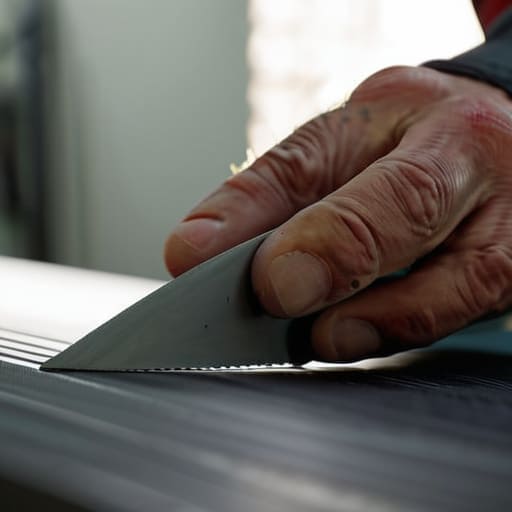
If you want your turbine to actually pull juice from a light breeze rather than just spinning aimlessly, you have to obsess over the details. When it comes to vertical axis turbine blade construction, the difference between a functional machine and a heavy paperweight often lies in the surface finish. Even tiny imperfections, like rough edges from a saw cut or uneven glue seams, create micro-turbulence that kills your momentum. I’ve learned the hard way that taking an extra hour to sand your blades down to a glass-smooth finish can significantly boost your startup speeds.
Beyond just smoothness, pay close attention to the angle of attack. If you’re working on small scale wind energy systems, the geometry needs to be incredibly precise to catch the air effectively. A slight misalignment in your blade pitch can cause the turbine to wobble or, worse, create “dead zones” where the wind just pushes against the structure instead of spinning it. Aim for a consistent curvature across the entire span; if one end of the blade is even slightly off-kilter, you’ll introduce vibrations that will eventually shake your entire mounting assembly apart.
Pro-Tips to Keep Your Turbine from Becoming a Very Expensive Lawn Ornament
- Don’t skimp on your bearings; if you use cheap, low-grade hardware, the vibration from the wind will shake them to pieces within a week.
- Balance your blades like your life depends on it, because even a tiny weight discrepancy will turn your turbine into a rhythmic jackhammer that destroys its own mount.
- Think about your tower’s footprint—if you don’t anchor that base into something solid, the first decent gust is going to send your hard work tumbling across the yard.
- Keep your wiring short and shielded; you want that harvested energy going straight to your battery, not bleeding off into the air or getting fried by electromagnetic interference.
- Build in an easy way to “feather” or brake your turbine, otherwise, a storm is going to spin your machine so fast it literally disintegrates mid-air.
The Bottom Line: Making It Spin
Don’t get paralyzed by the math; pick a design—Savonius for torque or Darrieus for speed—that actually matches your local wind profile and stick to it.
Precision isn’t just for engineers; even a slight wobble in your blades or a loose bearing will bleed off more energy than your generator can ever recover.
Start small and test often, because you’ll learn more from one afternoon of watching your turbine struggle in a breeze than from ten hours of reading schematics.
The Heart of the Build
“Forget the perfect math for a second; building a turbine is about that moment of tension when the wind catches the blades and you realize you’ve actually built something that breathes with the world.”
Writer
From Blueprint to Breeze
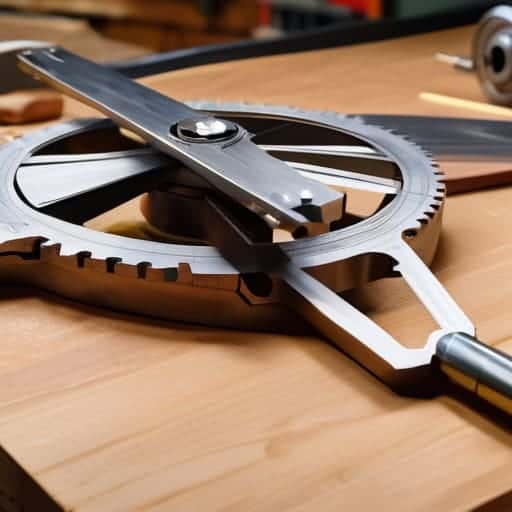
Building a vertical axis wind turbine isn’t just a weekend project; it’s a deep dive into the physics of motion. We’ve walked through the heavy lifting—from deciding whether a Savonius or a Darrieus design fits your specific wind profile to the meticulous task of balancing your blades for maximum aerodynamic efficiency. Remember, the difference between a spinning paperweight and a functional generator often lies in the tiny details, like how cleanly your bearings rotate or how precisely your center of gravity is aligned. If you’ve followed these steps and kept your tolerances tight, you’ve already done the hardest part of the journey.
Now comes the most rewarding part: the moment that first gust of wind catches your blades and you see that meter jump. There is something almost primal about watching a machine you built with your own hands turn invisible air into tangible, usable electricity. Don’t be discouraged if your first prototype needs a bit of tweaking or a few more bolts tightened; engineering is a process of constant refinement. Keep tinkering, keep measuring, and keep pushing the limits of what you can harvest from the sky. You aren’t just building a turbine; you’re claiming a little piece of your own energy independence.
Frequently Asked Questions
How much maintenance am I actually looking at once this thing is mounted on the roof?
Honestly? It’s not a “set it and forget it” situation. Since it’s spinning constantly, you’re going to deal with vibration and bearing wear. Every few months, get up there and check for loose bolts or any weird rattling—vibration is the silent killer of DIY builds. Also, keep an eye on your wiring; the constant movement can fray connections over time. A little grease and a quick visual inspection go a long way.
Can I actually get enough juice out of this to charge my phone or run small electronics, or is it just a science project?
Look, I get the skepticism. If you’re expecting this thing to power your whole house, you’re going to be disappointed. But is it a useless science project? Absolutely not. If you tune your setup right, you can definitely trickle-charge a phone or keep some LED lighting going. It’s about managing expectations: think of it as a supplemental power source for small, low-draw gadgets rather than a replacement for the grid.
What’s the best way to secure the base so the whole thing doesn't vibrate itself apart during a storm?
If you don’t anchor this thing properly, a heavy gust will turn your turbine into a vibrating jackhammer that’ll shake your foundation to pieces. Don’t just bolt it to some scrap wood. You need a heavy-duty steel mounting plate anchored deep into a concrete pad with expansion bolts. For extra insurance, throw in some heavy-duty rubber vibration isolators between the base and the mount. It’ll soak up that kinetic chatter before it wreaks havoc.
