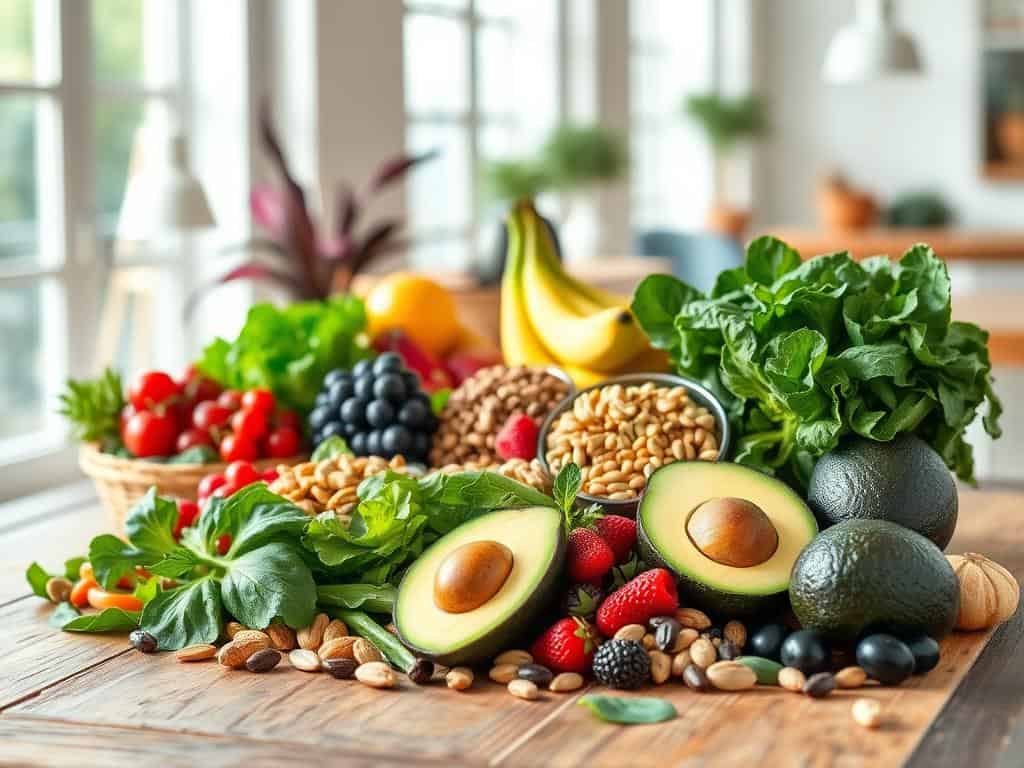
Did you know high cholesterol affects many Americans? It greatly increases the risk of heart disease and stroke. But, you can lower this risk by eating the right foods. This article will show you which foods help lower cholesterol and make your heart healthier. We’ll use advice from the Mayo Clinic and Brown University Health Blog. Together, we’ll explore how to manage cholesterol better with food.
Key Takeaways
- Soluble fiber can reduce LDL cholesterol by 5 to 10 grams per day.
- Incorporating two servings of fatty fish weekly offers a boost of omega-3 fatty acids.
- Adding 2 grams of plant sterols or stanols daily may lower LDL cholesterol by 5% to 15%.
- Regular consumption of whole grains can aid in cholesterol management.
- Decreasing saturated fat intake can lead to significant reductions in LDL cholesterol levels.
- Fruits and vegetables, particularly berries, are beneficial for heart health due to their fiber content.
- Plant-based proteins like beans and legumes support satiety while being low in cholesterol.
Understanding Cholesterol and Its Impact on Heart Health
Cholesterol is vital in our bodies, but high levels are dangerous. Knowing about different cholesterol types is key for heart health. It’s a waxy substance made by the liver, used in making hormones and cell walls.
What Is Cholesterol?
Cholesterol isn’t completely harmful. Our bodies need it in the right amounts. Doctors divide it into LDL, the “bad” kind, and HDL, the “good” kind. Too much LDL leads to artery plaque, raising heart disease risk. HDL, however, helps clear cholesterol from blood, protecting the heart.
Types of Cholesterol: LDL vs. HDL
Understanding LDL and HDL cholesterol’s effects on the heart is crucial. Ideal total cholesterol should be below 200 mg/dL. LDL levels should stay under 100 mg/dL, and HDL should be above 60 mg/dL. Reaching these goals means choosing foods wisely for cholesterol management.
The Role of Diet in Managing Cholesterol Levels
Diet greatly affects cholesterol. Bad eating habits, like too much saturated and trans fats, spike LDL levels. Including foods with healthy fats, such as nuts, avocados, and fish, boosts HDL. It’s not just food choices; it’s about their impact on cholesterol and heart health.
How to Reduce Cholesterol with Heart-Healthy Foods
Eating right can greatly affect your cholesterol and heart health. I’ve found many heart-healthy foods to add to my meals. These foods not only manage cholesterol but also make my diet balanced. High-fiber foods, omega-3 fatty acids, and plant-based options are really beneficial.
Beneficial Foods to Incorporate
Fruits and veggies improve nutrition and help manage cholesterol. Apples, oats, and kidney beans are high in soluble fiber. This fiber reduces cholesterol absorption. Switching to unsaturated fats from saturated ones helps lower LDL cholesterol. Liquid vegetable oils, like olive oil, are a healthy cooking option.
High-Fiber Foods and Their Benefits
A diet rich in fiber is key for managing cholesterol. Adding whole grains, fruits, and veggies boosts my soluble fiber intake. This reduces LDL cholesterol absorption. Aiming for 10 to 25 grams of fiber daily is recommended and doable.
Heart-Healthy Fats: Omega-3 and Monounsaturated Fats
Omega-3 fatty acids are crucial for my diet. Foods like salmon and walnuts are tasty and good for the heart. They help lower blood pressure and improve heart health without raising LDL cholesterol. The American Heart Association suggests eating at least eight ounces of fish weekly for these benefits.
Plant-Based Choices for a Balanced Diet
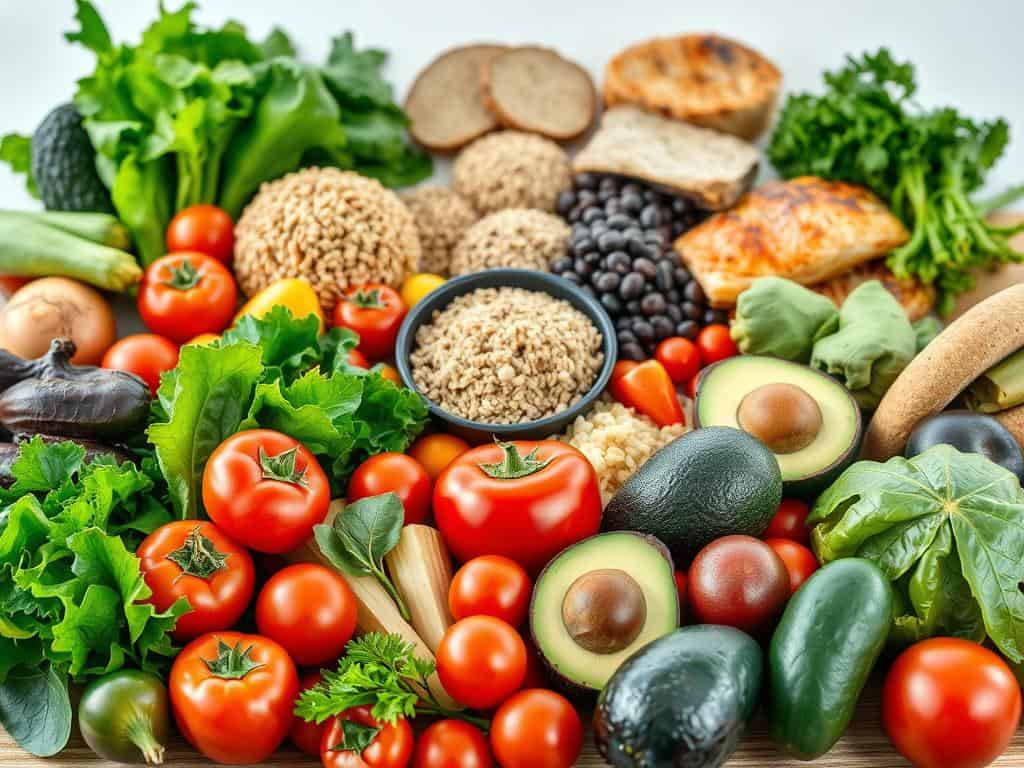
Choosing plant-based foods boosts heart health. Vegetables, legumes, and whole grains are full of nutrients, fiber, vitamins, and minerals. Making meals with these ingredients is rewarding. They help better my health and lower cholesterol.
Conclusion
In summary, changing your diet can really help manage cholesterol. I’ve learned that eating more fiber, healthy fats, and plants is key for heart health. These changes can lower my cholesterol and slash my heart disease risk. Heart diseases were behind 17.8% of all deaths in some places in 2015.
Eating foods known to lower cholesterol, like oats, almonds, and avocados, really works. Studies have shown that eating these foods can cut down bad cholesterol. By following the advice of heart health groups, I can better manage my cholesterol.
Taking control of my diet boosts my heart’s health and leads to a healthier life. I’ve realized this journey to better health is all about smart eating. By focusing on my diet, I’m on my way to achieving my health goals and living longer.
