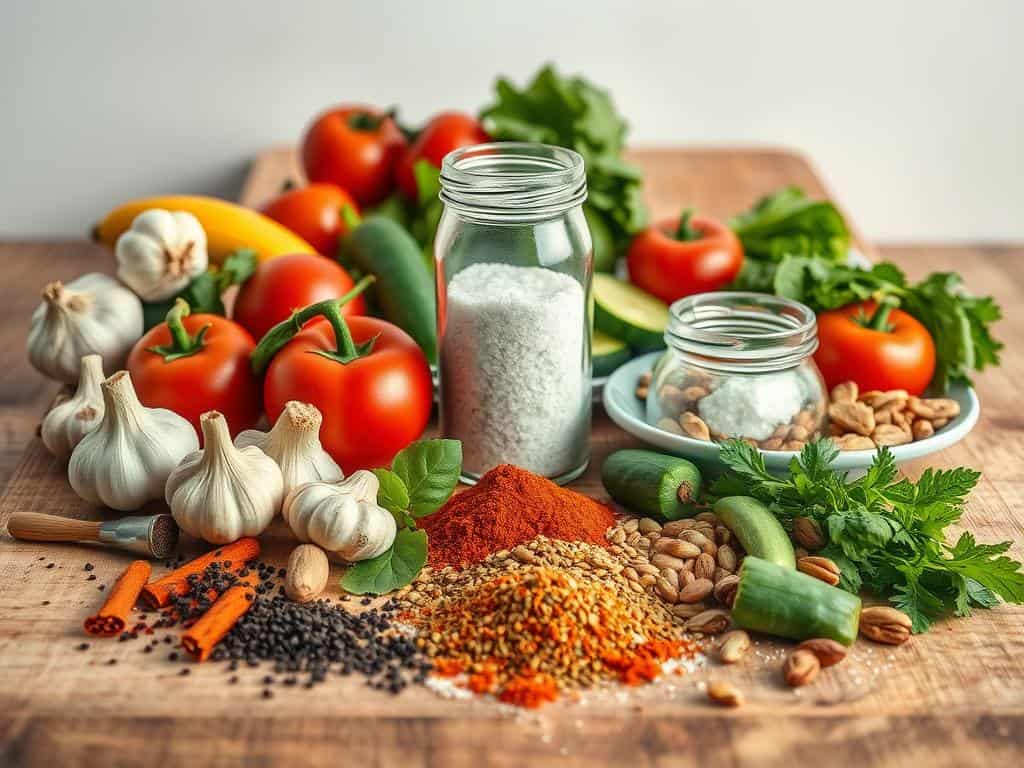
About 90% of U.S. kids and grown-ups eat too much salt. This alarming fact points to a big health concern. It messes with heart health and leads to hypertension. Americans on average take in 3,436 mg of sodium daily. This number is way above the 2,300 mg limit recommended by the 2020-2025 Dietary Guidelines for Americans.
Taking in too much salt is harmful. It brings health issues such as fluid buildup, heart disease, and strokes. However, following a low-sodium diet and making better food choices can help. By doing this, I can control my sodium intake and lower my health risks. It’s crucial to act now and find healthier food alternatives for a better life.
Key Takeaways
- Nearly 90% of Americans exceed their daily salt intake.
- The average U.S. sodium intake is about 3,436 mg per day.
- Reducing salt can significantly lower the risk of heart disease.
- Common foods high in sodium account for over 40% of daily intake.
- Choosing fresh, whole foods can greatly reduce sodium consumption.
- The DASH eating plan is effective for managing blood pressure.
The Dangers of High Sodium Intake
It’s key to know why too much salt is bad for our health. Eating too much salt can cause big health problems. High blood pressure is a major issue caused by too much sodium.
Sodium attracts water, which makes blood volume go up and pressure to rise. This puts a lot of stress on the heart. So, it’s super important to keep an eye on how much salt I eat.
How Salt Affects Your Body
Learning about salt’s effect has been eye-opening. It does more than just make food taste better. Eating too much salt can raise your blood pressure, which is risky.
The American Heart Association says we shouldn’t have more than 2,300 milligrams of salt a day. People who might get sick easily should aim for 1,500 milligrams. Knowing this has helped me understand the impact of my salt use.
Impact on Heart Health and Hypertension
I’ve learned a lot about salt and heart health. Eating less than 3,000 mg of sodium each day is key to avoiding heart problems. This includes avoiding heart attacks and strokes.
But, switching to a low sodium diet quickly can raise insulin resistance, which is concerning. It might lead to other health issues. The link between salt intake and heart problems is clear.
By eating less salt, I can lower my blood pressure. This is good for my heart’s health.
Low-sodium Diet Tips for a Healthier Lifestyle
Starting a low-sodium diet may seem hard at first. It’s key to read food labels and spot high-sodium items. Nearly all Americans eat more sodium than they should. This is why choosing wisely is very important.
Understanding Food Labels
I always check the nutrition facts. Foods with 5% DV of sodium or less are considered low. But, items with 20% DV or more are best to avoid. Adults and teens should only have up to 2,300 mg of sodium a day. For kids, it’s even less. So, knowing how to read labels is a must for families.
I’m also careful about hidden sodium in processed foods. It can really add up.
Identifying High-sodium Foods
High-sodium foods often include processed meats, sauces, and instant meals. By choosing fresh, frozen, or no-salt-added canned veggies, I cut down on sodium. Washing canned beans and veggies gets rid of even more sodium.
Potassium-rich foods, like bananas and beans, are also good for blood pressure. Following the DASH diet tips helps me keep meals tasty but low in sodium.
How to Effectively Reduce Salt in Your Diet
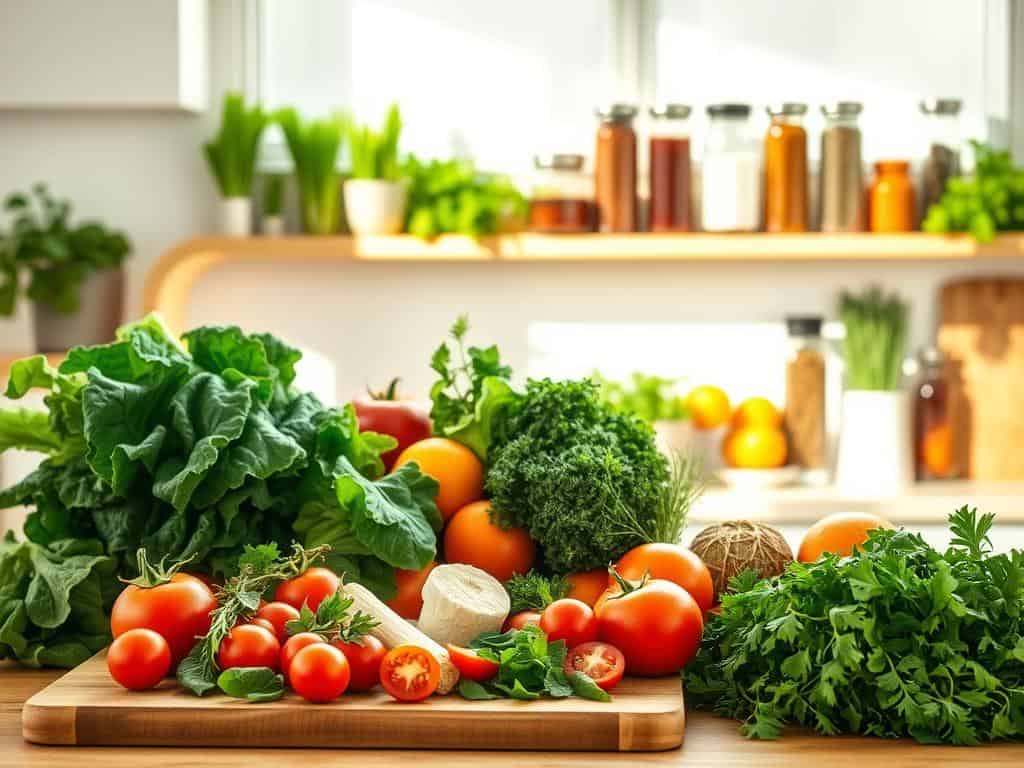
It’s vital to cut down on salt to stay healthy. Choosing wisely helps me lessen salt and boost my health. Much of the salt we eat comes from processed items. Eating whole foods reduces salt intake and adds important nutrients.
Choose Whole Foods Over Processed Options
I prefer whole foods to cut down on sodium. Fresh produce and unprocessed meats have less sodium than processed foods. Canned veggies often have added salt, but fresh ones are naturally low in sodium. It’s important to read food labels because sodium levels can be very different between brands.
By eating whole foods, I get to enjoy natural flavors and keep my sodium low.
Explore Salt Alternatives
I’ve found great ways to season food without extra salt. I love using herbs, spices, and citrus instead of salt. Cooking at home means I control what goes into my food, including salty sauces. These salt-free choices help make my diet tasty and healthy for my heart.
Conclusion
Lowering my salt intake is key to better heart health and avoiding high blood pressure. I can choose smarter by following tips for a low-sodium diet. This means learning about food labels and staying under 2 grams of sodium daily for good health.
Starting a low-sodium diet seems hard at first, but the benefits are worth it. Cutting back a little on salt can greatly improve my blood pressure. And in about two weeks, my taste buds can adapt to enjoy foods with less salt, like fruits and veggies.
I take active steps to eat less sodium to prevent health problems and boost my life quality. By cooking more at home and making mindful food choices, I can significantly cut down my sodium intake. This makes my lifestyle healthier and more energetic.
