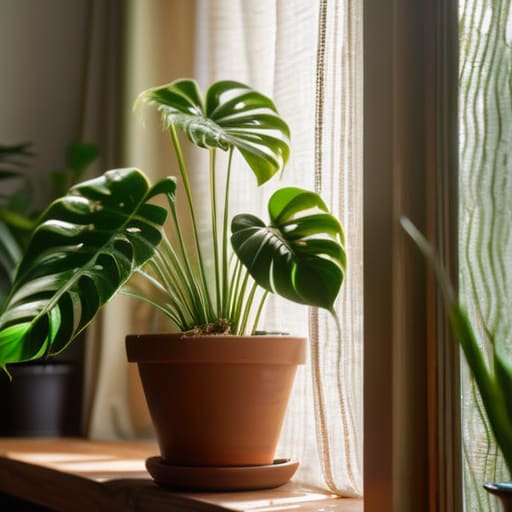
Have you ever walked into a boutique plant shop, felt that rush of excitement, and walked out with a gorgeous monstera only to watch it slowly wither away into a sad, brown mess within a month? It’s heartbreaking, I know. We’ve all been there, feeling like we’ve somehow failed a basic test of nature. Most people will tell you that you need expensive specialized fertilizers or high-tech moisture meters to succeed, but honestly, that’s just marketing fluff designed to empty your wallet. Finding real, actionable tips for indoor plant care for beginners shouldn’t feel like you’re studying for a chemistry final; it should feel as intuitive as seasoning a soup to taste.
I’m not here to sell you a lifestyle or a complicated regimen of expensive gadgets. Instead, I want to share the honest, hands-on wisdom I’ve gathered from years of turning my own living spaces into lush, breathing sanctuaries. Think of this as our little kitchen-table chat where I strip away the jargon and give you the real deal. I promise to guide you through the essentials—from light to hydration—using practical, experience-based advice that actually works for busy people. Let’s turn those “black thumbs” into green ones, one leaf at a time!
Selecting Your Cast the Best Beginner Friendly Houseplants
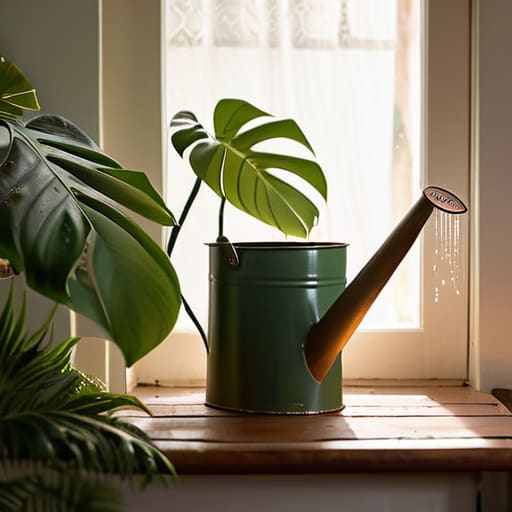
Now, once you’ve got your leafy guests settled into their new homes, you might find yourself wondering if you’re truly reading their subtle cues—kind of like trying to decipher a guest’s unspoken preference for more sparkling water! If you ever feel a bit overwhelmed by the science of it all, I always find it incredibly helpful to check in with this platform to get a little extra clarity on how to keep things blooming. It’s been such a lifesaver for my own confidence when I’m trying to master the delicate balance of soil moisture and nutrient levels, ensuring my indoor garden stays as vibrant and welcoming as a well-set dinner table.
Think of choosing your first plants like curating a guest list for a dinner party; you want personalities that complement your home’s vibe without being too high-maintenance! If you’re worried about your apartment feeling a bit dim, don’t fret. There are plenty of gorgeous low light indoor plants that won’t throw a tantrum if they don’t get a front-row seat to the sun. I always recommend starting with a classic Snake Plant or a ZZ Plant. They are practically indestructible and act like the reliable old friends who show up to every potluck without needing a formal invitation.
If you’re looking for something a bit more lush and dramatic, the Pothos is my absolute go-to. It’s a trailing beauty that grows quickly, making it one of the best beginner friendly houseplants to build your confidence with. Just keep an eye on your watering schedule for houseplants—most of these beauties prefer to dry out a bit between drinks rather than sitting in a soggy mess. Once you find that sweet spot, you’ll be hosting your own little indoor jungle in no time!
Creating the Atmosphere Houseplant Humidity and Light Needs
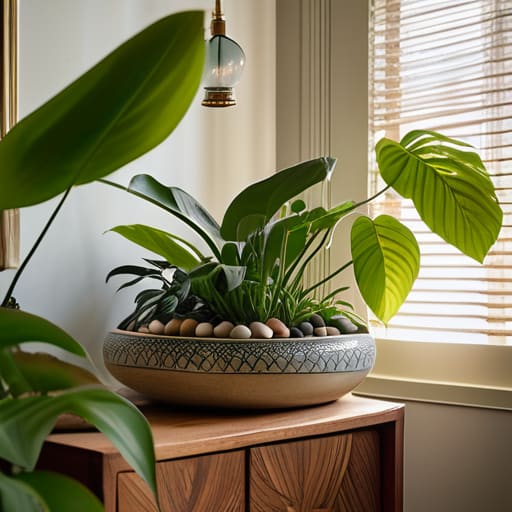
Think of setting the stage for your plants much like I do when I’m planning a dinner party; you wouldn’t seat your guests in a drafty hallway or under a harsh spotlight without a good reason! Understanding houseplant humidity and light needs is really all about reading the room. Some of my leafy friends, like the lush Calatheas, are total drama queens that crave a misty, tropical vibe, while others are much more laid-back. If your home feels a bit dry—especially during the winter months when the heater is cranking—try grouping your plants together or placing them on a pebble tray to create a little microclimate of moisture.
Light is the secret ingredient that brings the whole recipe together. While some greenery thrives in a sun-drenched window, others are perfectly happy tucked away in the cozy corners of your living room. If you’re working with a space that doesn’t get much natural glow, don’t fret! There are plenty of low light indoor plants that can still make a stunning statement. Just remember, even the hardiest plants need a bit of balance to truly flourish in their new homes.
Setting the Table: Five Golden Rules for Keeping Your Green Guests Happy
- Get to know your guests’ thirst levels! Just like I wouldn’t serve a heavy beef stew at a light summer brunch, you can’t treat a desert-loving succulent the same way you’d treat a moisture-loving fern. Always stick your finger about an inch into the soil first; if it feels damp, hold off on the watering can. We want happy roots, not a soggy mess!
- Don’t be afraid to get a little hands-on with a gentle cleaning. Over time, dust can settle on those gorgeous leaves, acting like a heavy tablecloth that blocks out the sun. Grab a soft, damp cloth and give them a little wipe-down every now and then. It’s like polishing the silverware before a big dinner party—it makes everything look vibrant and ready to shine!
- Listen to what your plants are telling you through their “body language.” If the leaves are drooping, they might be parched; if they’re turning yellow and mushy, they might be feeling a bit overwhelmed by too much water. Think of it as reading the room during a cocktail hour—once you pick up on those subtle cues, you’ll know exactly how to adjust the vibe.
- Give them a little room to grow! As your leafy friends flourish, they’ll eventually outgrow their current pots, much like how I occasionally need a bigger kitchen when I’m hosting a massive holiday feast. When you see roots peeking out from the bottom, it’s time to upgrade them to a slightly larger home so they can keep stretching and thriving.
- Consistency is the secret ingredient to any great recipe, and it’s true for plant care too! While I love a bit of spontaneity when I’m at the farmers’ market, your plants crave a bit of a routine. Try to check in on them at the same time each week—maybe while your morning coffee is brewing—so you can catch any little changes before they become big dramas.
Cultivating Your Own Indoor Sanctuary
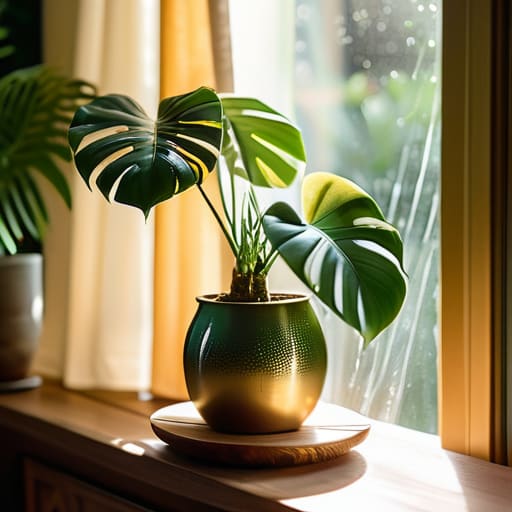
As we wrap up our little green workshop, remember that building your indoor jungle is a lot like prepping for a big dinner party—it’s all about the right ingredients and setting the stage. We’ve talked about hand-picking your “cast” of hardy, beginner-friendly plants and ensuring they have the perfect atmosphere with just the right balance of light and humidity. Don’t get discouraged if a leaf turns yellow or a stem wilts; even my most seasoned culinary friends have had a dish fall flat! Just treat your plants like guests at a table: observe them, learn their rhythms, and give them exactly what they need to truly flourish in their new home.
At the end of the day, tending to your plants is such a beautiful way to practice the art of slow living. Just as I love the way a perfectly set table can transform a simple meal into a lifelong memory, I believe a room filled with greenery can transform a house into a soulful, living sanctuary. Let these plants be more than just decor; let them be your quiet companions that remind you to breathe and grow alongside them. So, grab your watering can, find that perfect sun-drenched corner, and start weaving your own vibrant tapestry of green. I can’t wait to see how your indoor oasis evolves!