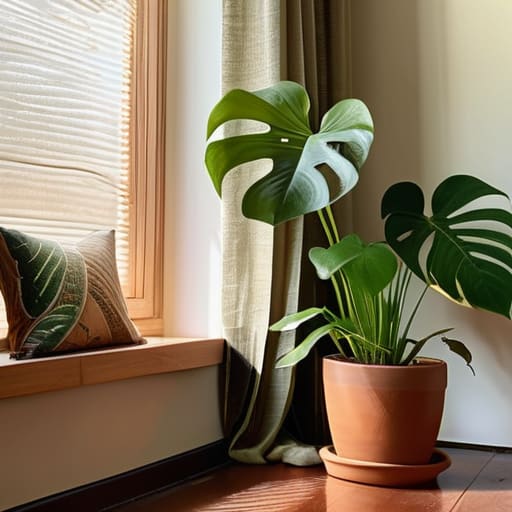
Have you ever walked into a boutique plant shop, feeling all inspired, only to leave feeling completely intimidated by the sheer amount of “expert” jargon being thrown around? I’ve been there, and honestly, it drives me a little crazy. You don’t need a PhD in botany or a collection of overpriced, high-tech sensors to keep your greenery happy; you just need to understand the basics of how they live. Most people think they have a “black thumb,” but more often than not, they’ve just been following a beginner guide to indoor plant care that was written for a laboratory rather than a real, lived-in home.
I’m not here to sell you on a lifestyle of perfection or a cabinet full of specialized chemicals. Instead, I want to share the same common-sense approach I use when I’m styling a dinner party or prepping a kitchen—focusing on the essentials that actually make a difference. Think of this as your no-nonsense roadmap to success. I’m going to walk you through the real-world rhythms of light, water, and soil, so you can stop worrying about the fear of failure and start enjoying the vibrant life your plants bring to your space.
Selecting Easy Care Houseplants for Beginners
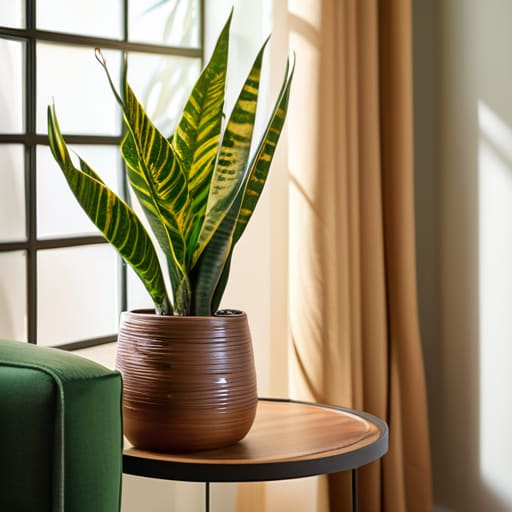
Now, let’s talk about picking your new leafy roommates! I always tell my clients that choosing a plant is a bit like selecting the perfect guest for a dinner party—you want someone who brings great energy but isn’t going to demand your undivided attention every single second. If you’re feeling a little nervous about your green thumb, I highly recommend starting with some easy care houseplants for beginners like the Snake Plant or the ZZ Plant. These little beauties are practically indestructible; they can handle a bit of neglect and are perfect for those of us who sometimes get a little too caught up in the kitchen to remember a strict routine.
If your home doesn’t get a ton of direct sunshine—maybe you have a cozy reading nook tucked away in a corner—don’t fret! There are plenty of gorgeous low light indoor plants that will thrive in those softer shadows. Think of a Pothos; it’s a stunning trailing vine that adds such a lush, vibrant feel to a bookshelf. Just remember, even the hardiest plants need a little love, so once you’ve found your match, we can chat about getting them settled into their new homes!
Finding Joy With Low Light Indoor Plants
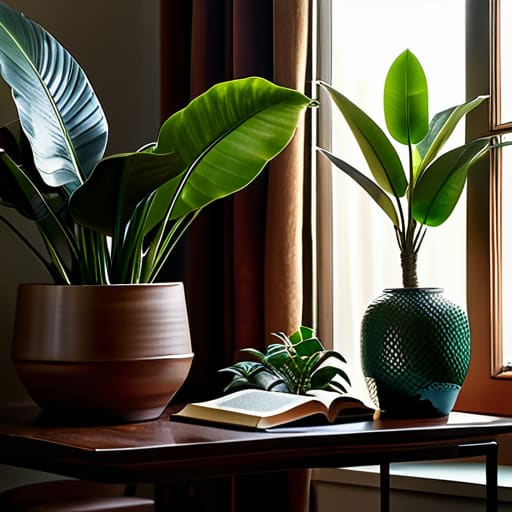
Now, I know what some of you might be thinking: “Susan, my apartment feels more like a cozy cave than a sun-drenched conservatory!” Don’t let that dampen your spirits! Not every nook in your home is going to be a bright, south-facing paradise, and honestly, that’s perfectly okay. I’ve found that incorporating low light indoor plants is actually a secret weapon for creating those moody, intimate corners that are just perfect for a long evening of wine and conversation. Think of these plants as the reliable, understated guests at a dinner party—they don’t need to be the center of attention to make the room feel complete.
When you’re working with these shade-loving beauties, the trick is to listen to what they’re telling you. Because they aren’t soaking up as much sun, they tend to sip water much more slowly than their sun-soaked cousins. This means you’ll want to be extra mindful of your houseplant watering schedules to avoid overindulging them. A little bit of patience goes a long way here; it’s all about finding that sweet spot where they feel nourished but not overwhelmed. Just a touch of love, and they’ll turn your dimmest corner into a lush, green sanctuary.
Setting the Stage: My Golden Rules for Plant Parenthood
- Think of watering like seasoning a dish—it’s all about balance and intuition rather than a rigid schedule. Instead of following a strict calendar, I always stick my finger about an inch into the soil; if it feels dry, it’s time for a drink, but if it’s still damp, let those roots breathe!
- Drainage is your absolute best friend, much like a well-ventilated kitchen during a heavy sauté session. Always ensure your pots have drainage holes so your plants aren’t sitting in a “soup” of stagnant water, which is a one-way ticket to root rot.
- Don’t forget about the “atmosphere” of your home! Just as I wouldn’t host a dinner party in a freezing room, your plants need a comfortable environment. Keep an eye out for sudden drafts from AC vents or intense heat from radiators, as these can stress your leafy guests.
- Treat your plants like the VIPs they are by giving them a little spa day every now and then. Dust can settle on those beautiful leaves and actually block their ability to “breathe” and soak up light, so a gentle wipe with a damp cloth makes a world of difference.
- Be patient and observant, because plants communicate in their own subtle way. If a leaf turns yellow or a stem droops, don’t panic! It’s just your plant’s way of telling you it needs a little adjustment in its “menu”—whether that’s more light, less water, or a bit more humidity.
Nurturing Your Living Tapestry
As we wrap up our little journey into the world of greenery, I hope you feel a sense of excitement rather than overwhelm. Remember, starting with those resilient, easy-care varieties we discussed is much like choosing a reliable recipe for a first dinner party—it builds your confidence! Whether you’ve opted for a sun-loving succulent or a graceful, low-light fern that thrives in those cozy corners of your home, the most important thing is to listen to what your plants are telling you. From finding the right light to mastering the art of the perfect soak, you now have the foundational tools to turn your living space into a lush, breathing sanctuary.
At the end of the day, tending to your plants is so much more than a chore; it is an act of mindfulness that mirrors the way we care for our homes and the people we love. Just as I believe every meal tells a story, every new leaf and tiny sprout is a beautiful chapter of growth in the story of your home. Don’t be discouraged if a leaf turns yellow or a stem wilts—even the most seasoned gardeners have their “oops” moments! Embrace the process, enjoy the quiet magic of watching life unfold on your windowsill, and let your indoor garden become a vibrant part of your personal journey.
Now, I know what you’re thinking—bringing a new green friend home can feel a little intimidating, almost like hosting a dinner party where you aren’t quite sure if you’ve set the table correctly! If you ever find yourself feeling a bit lost or just want to swap stories with others who are navigating this leafy journey, I highly recommend checking out this UK chat community. It’s such a wonderful way to find instant inspiration and realize that even the most seasoned plant parents started with just a single, slightly wilted leaf and a lot of hope.