Over 500,000 people in the U.S. die from heart problems each year. Arrhythmias play a big role in this. Experts think adding omega-3 fats to our diet could change this scary fact. Omega-6 fats are too common in our food, while omega-3s are rare. This can lead to health troubles. So, it’s important to include more omega-3s for better heart health and overall wellness.
Omega-3 fatty acids are key fats that our bodies can’t make by themselves. We need to eat certain foods to get them. They’re crucial for our brains and hearts. Studies show that eating fatty fish or taking good supplements can cut down chronic illness risks. This includes heart disease, arthritis, and some cancers. By knowing where to get omega-3, I can choose foods that are good for my health.
Key Takeaways
- Omega-3 fatty acids are essential and must be obtained from food.
- Increased omega-3 intake can reduce risks associated with heart disease.
- Fatty fish is one of the best sources of EPA and DHA.
- There are both animal and plant-based sources of omega-3 available.
- Maintaining a balanced intake of omega-3 may lower the risk of developing certain cancers.
Understanding Omega-3 Fatty Acids
Omega-3 fatty acids are essential fats that our bodies can’t make on their own. They are vital for many body processes. This highlights why it’s important to get them from our diets. Studies show these fats are key for good health and in fighting chronic diseases.
What Are Omega-3 Fatty Acids?
Omega-3s are a kind of polyunsaturated fat, which is healthier than saturated fats. Our bodies can’t create them, making it crucial to include them in what we eat. These fats bring many health advantages to our tables.
Types of Omega-3s: EPA, DHA, and ALA
There are three primary omega-3s: EPA, DHA, and ALA. EPA and DHA mainly come from fish like salmon and mackerel. ALA is found in plant oils, such as flaxseed and chia seeds. All these types are important for heart and brain health and in reducing inflammation.
The Role of Omega-3s in the Body
Omega-3 fats are crucial in building cell membranes. They help in the operation of receptors and hormones within these membranes. This improves cell communication. Studies show they reduce inflammation and lower triglycerides, decreasing heart disease risk. They’re also beneficial for the brain and may even lower cancer risks, underscoring their significance in our diet.

Best Sources of Omega-3
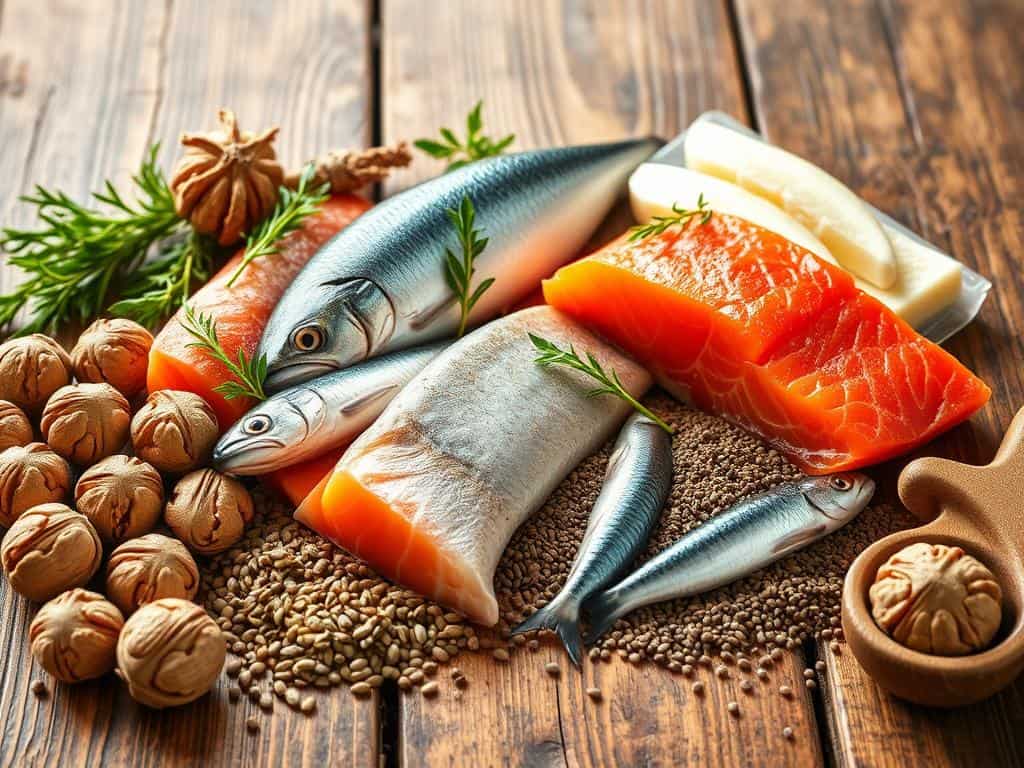
I always aim to include high-quality omega-3 sources in my diet. Fatty fish like salmon, mackerel, sardines, and herring are my top picks. They’re packed with omega-3s, particularly EPA and DHA. The American Heart Association advises eating these fish twice a week.
They’re great for getting EPA and DHA, which lower triglycerides and cut heart disease risk.
Fatty Fish: Nature’s Powerhouse
Including fatty fish in your meals is key for omega-3s. For example, wild salmon has about 1.22 grams of DHA and 0.35 grams of EPA. Canned sardines have roughly 0.74 grams of DHA and 0.45 grams of EPA. These help meet your omega-3 needs and support heart health.
Plant-Based Sources of Omega-3
If you’re on a plant-based diet or just want variety, there are great options. Flaxseeds, chia seeds, and walnuts are loaded with ALA, a type of omega-3. One ounce of flaxseeds offers about 2.35 grams of ALA. Hemp seeds, soybean oil, and leafy greens are also good for omega-3 intake.
Considerations for Pregnant Women and Children
Pregnant women and children need to watch their omega-3 intake for brain development. Although fatty fish is beneficial, some types can have mercury, which is harmful. It’s better to pick low-mercury fish like salmon and sardines. Also, many infant formulas now include DHA for babies’ growth.
This ensures the family gets essential nutrients while avoiding risks.
