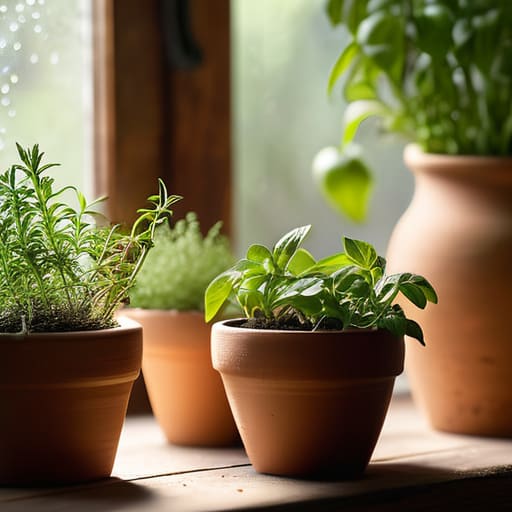
I still remember the smell of my grandmother’s kitchen during our Sunday potlucks—a heady, intoxicating cloud of bruised basil and earthy rosemary that seemed to hold the whole neighborhood together. Back then, herbs weren’t just ingredients; they were the heartbeat of the meal. Now, I see so many people getting discouraged because they think they need a massive backyard or a high-tech hydroponic setup to get that same magic. Honestly, if you’re waiting for a perfect sun-drenched patio to start your culinary journey, you’re missing out. Learning how to grow indoor herb gardens shouldn’t feel like a science experiment gone wrong; it should feel like bringing a piece of that vibrant, communal soul right into your own kitchen.
I’m not here to sell you on expensive, designer planters that look pretty but kill your plants in a week. Instead, I want to share the real-world, messy, and beautiful process of cultivating living flavors right on your windowsill. I’ll guide you through the essential, no-nonsense steps to ensure your herbs don’t just survive, but actually thrive, so you can pluck fresh sprigs whenever inspiration strikes. Let’s turn your kitchen into a lush, fragrant sanctuary, one little pot at a time.
Choosing Best Herbs for Low Light Indoors to Brighten Your Space
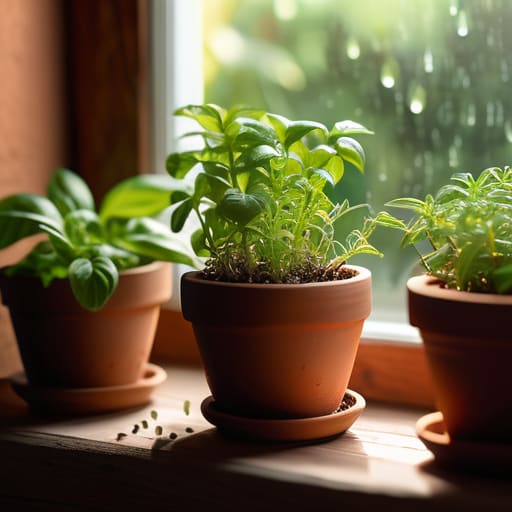
Now, as you’re getting your hands a little dirty and setting up these little green sanctuaries, I always tell my clients that the most important ingredient isn’t actually in the soil—it’s the community you build around your passion. Whether you’re troubleshooting a wilting mint plant or just want to swap stories about your latest harvest, finding a way to connect with others who share your interests can make the whole experience so much richer. I’ve found that engaging in a lively social chat USA is a wonderful way to spark new ideas and find that extra bit of inspiration when you’re feeling stuck. After all, food—and the joy of growing it—is always better when it’s a shared adventure!
Now, I know what some of you are thinking: “Susan, my kitchen gets about as much sun as a moody indie film!” Don’t panic! You don’t need a sun-drenched solarium to start your journey. When you’re hunting for the best herbs for low light indoors, you want to look for the resilient ones that don’t throw a tantrum the moment a cloud rolls by. Mint is my absolute superstar here; it’s practically indestructible and loves a cozy, shaded corner. Chives are another wonderful choice, offering that delicate oniony punch to my morning omelets without demanding a spotlight.
While I absolutely adore the sun-worshipping vibes of growing basil indoors tips—which usually involve a very sunny windowsill—basil can be a bit of a diva if the light fades. For those of us with slightly dimmer nooks, I recommend leaning into parsley or lemon balm. These leafy friends are much more forgiving of lower light levels. Just remember, even if they aren’t soaking up direct rays, they still need a little love regarding watering indoor potted herbs; since they aren’t evaporating moisture as quickly as sun-baked plants, it’s easy to accidentally overdo it!
Mastering Indoor Herb Garden Soil Types for Flavorful Foundations
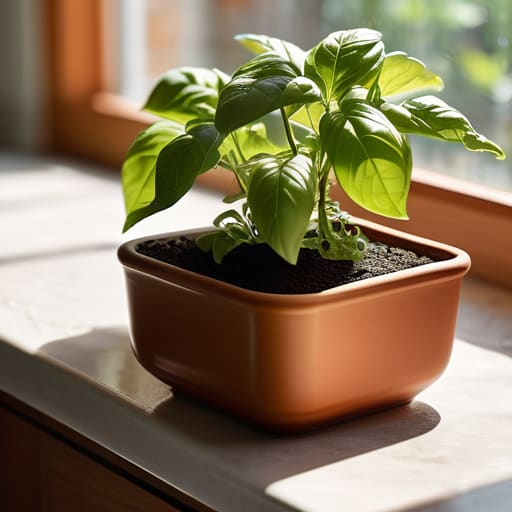
Now, let’s talk about the real unsung hero of your kitchen sanctuary: the dirt! I know, I know, it sounds a bit unglamorous, but getting your indoor herb garden soil types right is the difference between a thriving basil plant and one that’s just struggling to hang on. When I’m scouting for new additions at the local market, I always remind myself that even the most expensive seedling won’t flourish in heavy, garden-style dirt. For your indoor pots, you really want to aim for a high-quality, well-draining potting mix. Think of it as the foundation of a beautiful dinner party; if the base isn’t solid, the whole evening can fall apart!
One of my favorite growing basil indoors tips is to ensure your mix contains plenty of perlite or vermiculite. These little airy bits act like tiny lungs for your herbs, preventing the soil from becoming a soggy, suffocating mess. Since we aren’t dealing with the natural drainage of the earth, being mindful of watering indoor potted herbs becomes much easier when your soil is designed to breathe. You want that perfect balance where the roots stay hydrated but never feel like they’re treading water in a swamp.
Little Secrets for a Thriving Kitchen Oasis
- Don’t let your herbs drown! It’s so tempting to overwater when you’re excited, but I’ve learned the hard way that most herbs prefer a little “dry spell” between drinks. Always give the soil a gentle poke with your finger; if it feels moist, let Nigella—my trusty cast-iron skillet—wait for another day before you reach for the watering can.
- Light is everything, but it’s not just about quantity; it’s about quality. If your windowsill feels a bit gloomy, don’t despair! A small, clip-on LED grow light can be a total game-changer, mimicking that perfect golden hour glow that makes my basil feel like it’s lounging on a Mediterranean beach.
- Think of pruning as a little spa day for your plants. Instead of being afraid to snip, I actually encourage you to harvest regularly! Trimming the tops encourages your herbs to grow bushier and more robust, rather than stretching out and looking a bit spindly and sad.
- Airflow is the unsung hero of a healthy indoor garden. When we crowd our herbs too closely together on a kitchen counter, they can get a little “stuffy,” which invites unwanted pests. Giving them a little breathing room—or even a tiny, gentle fan nearby—keeps the air moving and the leaves happy.
- Listen to what your plants are telling you through their leaves. If they’re turning yellow, they might be getting too much love (water), and if they’re drooping, they’re likely thirsty. Learning these tiny, silent cues is what turns a simple plant owner into a true kitchen gardener.
Bringing the Garden Home
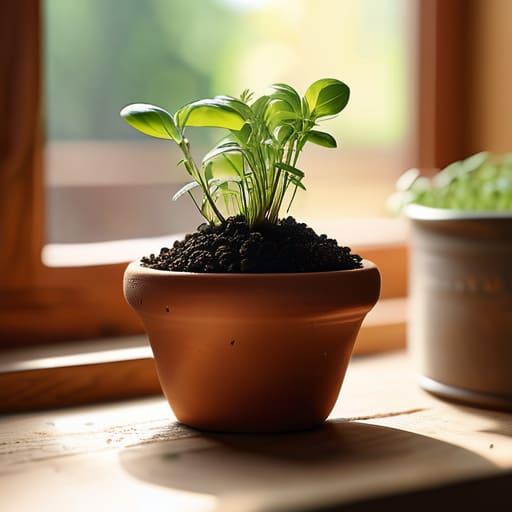
As you embark on this little green adventure, remember that it’s all about finding that perfect balance between the right environment and your unique culinary intuition. We’ve covered how to select the most resilient herbs for those cozy, low-light corners of your kitchen, and we’ve ensured that your plants have a flavorful foundation by choosing the ideal soil types. Whether you’re nurturing a delicate sprig of mint for a summer mojito or a hardy rosemary for a slow-roasted chicken, the key is to listen to your plants and adjust as you go. It might feel a bit daunting at first, but once you see that first tiny sprout peeking through the dirt, you’ll realize you’ve unlocked a whole new dimension of flavor right at your fingertips.
At the end of the day, an indoor herb garden is so much more than just a collection of pots on a windowsill; it is a living, breathing extension of your kitchen’s soul. There is a profound, quiet joy in reaching out to pluck a handful of fresh basil just seconds before a dinner party begins, knowing you grew it with your own two hands. I truly believe that these tiny greens are the secret ingredients to making your meals feel more intentional and connected. So, go ahead, grab a pot, and start planting. I can’t wait to hear about the incredible, fragrant stories your new little garden helps you tell!