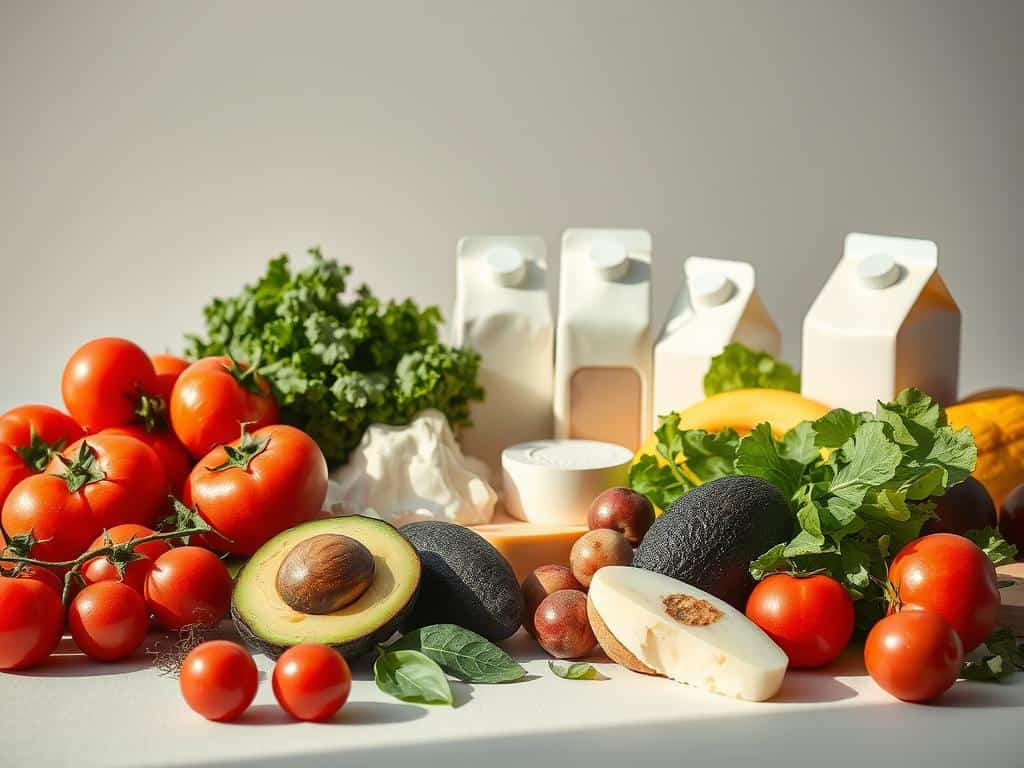
Did you know freezing can ruin the texture of some foods completely? It’s key to know which foods should stay out of the freezer. Many foods last longer with food storage techniques, but not all. Some, like cucumbers and watermelon, turn soft after freezing because they’re mostly water.
Dairy items like milk and yogurt can also become grainy and bad to eat if frozen. This article will share with you the foods to keep away from the freezer. This will help you avoid kitchen errors and keep your meals tasty.
Key Takeaways
- Freezing can drastically change the texture and quality of certain foods.
- High water-content foods like cucumbers and watermelon lose all desirable texture when frozen.
- Dairy products such as milk and yogurt risk curdling after freezing.
- Cooked grains and pasta transform into an undesirable mush if frozen without proper techniques.
- Understanding freezing tips can help avoid costly kitchen mistakes.
Understanding the Impact of Freezing on Food Quality
Knowing how freezing impacts food quality is key for keeping food fresh and nutritious. Foods have different moisture levels and features. By following the right freezing tips, you can keep your food safe and high-quality.
Effects of Freezing on Water-Rich Foods
Freezing affects water-rich foods like cucumbers and lettuce greatly. These foods have a lot of water, which turns into ice and breaks their cell walls. When thawed, they become limp and watery, which is not good for dishes like fresh salads.
How Freezing Changes Dairy Products
Dairy products change a lot when frozen. The texture of milk can become grainy because the emulsifiers break down. Cheese might change in consistency and taste too. It’s very important to freeze dairy the right way. Keeping them very cold, at 0 degrees Fahrenheit or less, helps. Yet, some dairy products do better in the fridge than the freezer.
Foods You Should Never Freeze
Storing food right keeps its flavor and quality. But, some foods just don’t do well when frozen. Foods you shouldn’t freeze fall mainly into two groups: fresh produce and dairy. Knowing this can save your meals from being ruined.
Fresh Produce That Doesn’t Freeze Well
Some fruits and veggies with a lot of water don’t freeze well. Avocados, tomatoes, cucumbers, and lettuce get mushy and lose taste. Leafy greens, for instance, get soggy because their cell walls break. It’s smarter to eat these fresh or maybe try dehydrating them.
Dairy Products to Keep Out of the Freezer
Freezing doesn’t work well for many dairy items. Milk, cream, and yogurt can get grainy and taste bad. Soft cheeses like cream cheese get grainy too, making them bad for spreading. Yet, they can still work in cooked dishes. Sour cream turns lumpy, and mayonnaise separates, ruining their textures.
Eggs and Egg-Based Products
Never freeze whole eggs. They expand and crack open. But, you can freeze egg whites. Cooked egg dishes might become rubbery. If freezing eggs, scramble and cook them first to keep their texture better.
Cooked Grains and Pasta
Cooked grains and pasta don’t freeze well. They become mushy when thawed. This is due to water expanding in the starches. It’s best to make them fresh or keep them in the fridge for a little while.
Common Kitchen Mistakes with Freezing
Freezing food is a well-liked way to store it, but it’s easy to mess up. Knowing the right way to freeze can keep your food tasting good and healthy. Many people don’t follow important freezing advice, which can change how well their food keeps.
Misunderstanding Freezing Techniques
Making sure food is wrapped tight or in airtight bags is key. This stops freezer burn. Putting labels and dates on your food stops mix-ups about its safety and quality. Foods that aren’t packed right can change color and taste bad.
Freezing food quickly is best because it keeps cells from getting damaged, so the food stays tasty. Smaller pieces or containers freeze quicker, keeping quality better. I always suggest this to keep your frozen food good.
Freezing Canned and Bottled Beverages
Freezing drinks in cans or bottles is another common mistake. The liquid inside expands when frozen, which can break the container. This makes a big mess.
Instead of freezing, try other ways to cool drinks, especially fizzy ones. I like using ice trays to chill drinks fast and safely, avoiding kitchen messes.
Conclusion
As I’ve looked into foods that shouldn’t be frozen, one thing is clear. Keeping the quality and taste of food during preservation is key. Foods with lots of water, like lettuce and cucumbers, don’t freeze well. They become limp and soggy, which can’t be fixed.
Dairy products such as soft cheeses and yogurt also face problems. They often separate or curdle and taste bad after being thawed. Knowing this helps me make better choices when storing food.
Learning common kitchen tips has saved me from freezing mistakes. Discovering a favorite dish turned mushy or bland in the freezer is avoidable. Storing items right, labeling them, and using proper techniques help keep food’s quality.
It’s important to remember not all foods freeze well. Freezing is useful, but being careful about what to freeze is crucial.
In the end, following these guidelines means I can always serve fresh and tasty food. By knowing what not to freeze, I improve my meals and waste less food.
