About 25% of the world’s greenhouse gases come from making food. When we think about eating sustainably, we see how our food choices can help fight climate change. Also, with 30% of global food being wasted, it’s clear our food habits need to change. By choosing eco-friendly foods, I can do good for both my health and our planet. This article will show how my eating habits impact the environment. It will also give tips on eating in a way that helps the Earth, bite by bite.
Key Takeaways
- Food production accounts for about 25% of global greenhouse gas emissions.
- A plant-based diet can significantly reduce my carbon footprint by up to 50%.
- Approximately 30% of the food produced globally is wasted, contributing to climate change.
- Choosing local, seasonal, and plant-based ingredients lowers environmental impact.
- Practicing sustainable eating helps mitigate the effects of industrial food production.
Understanding the Impact of Food on the Environment
Food production greatly affects our environment. It includes growing, processing, transporting, and eating food. About one-third of human-made greenhouse gases come from this. It’s vital to know how food production activities lead to these emissions.
The Process of Food Production
Agriculture is the biggest source of food-related emissions. Cattle methane and fertilizer nitrous oxide are major offenders. Also, cutting down forests for farmland increases carbon dioxide. Food’s greenhouse gas emissions are measured in kg of CO2 per kg of food. Animal foods like red meat and dairy have much higher emissions than plants.
Key Contributors to Environmental Damage
Industrial food systems threaten the environment much. Making, moving, and trashing food uses lots of resources. Shockingly, globally, almost one billion tons of food are thrown away each year. This waste adds up to over 8% of all greenhouse gas emissions. If food waste were a country, it’d be the third biggest emitter globally. We must deal with food waste to lower food’s environmental impact.
How to Eat Sustainably: Practical Steps for Eco-Friendly Eating
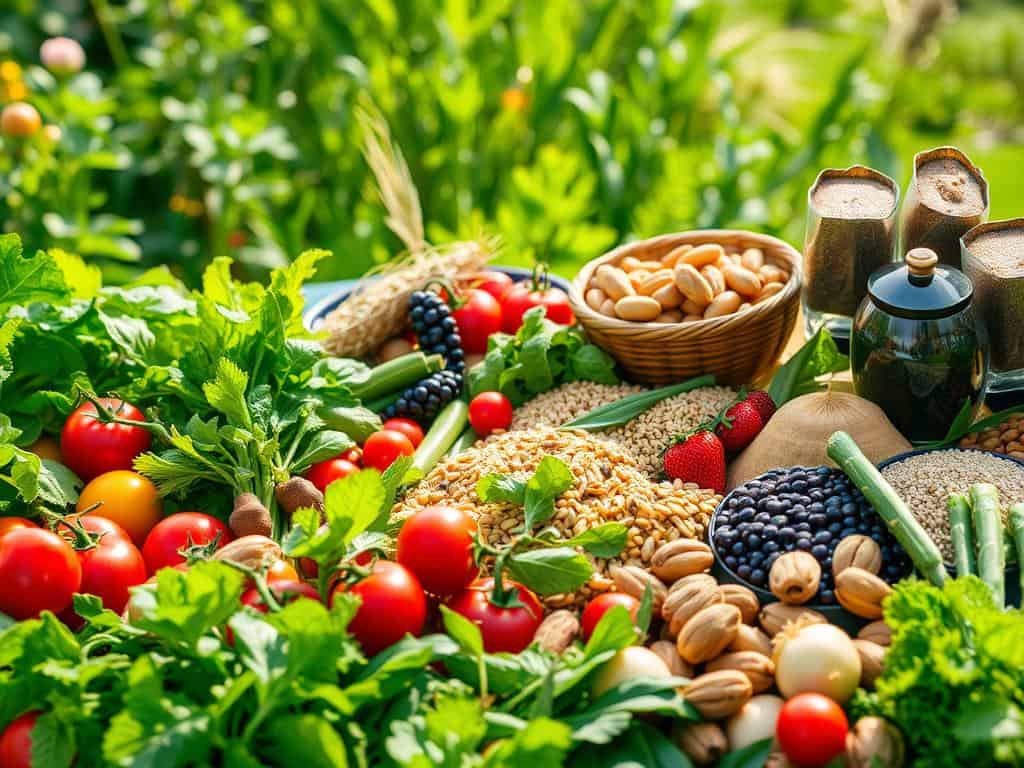
Switching to a plant-based diet helps our planet greatly. It uses less land and water and makes less carbon. By choosing local, seasonal, and plant-based foods, I lower the harm to the environment. Foods like certain nuts and meat use more resources.
Adopt a Plant-Based Diet
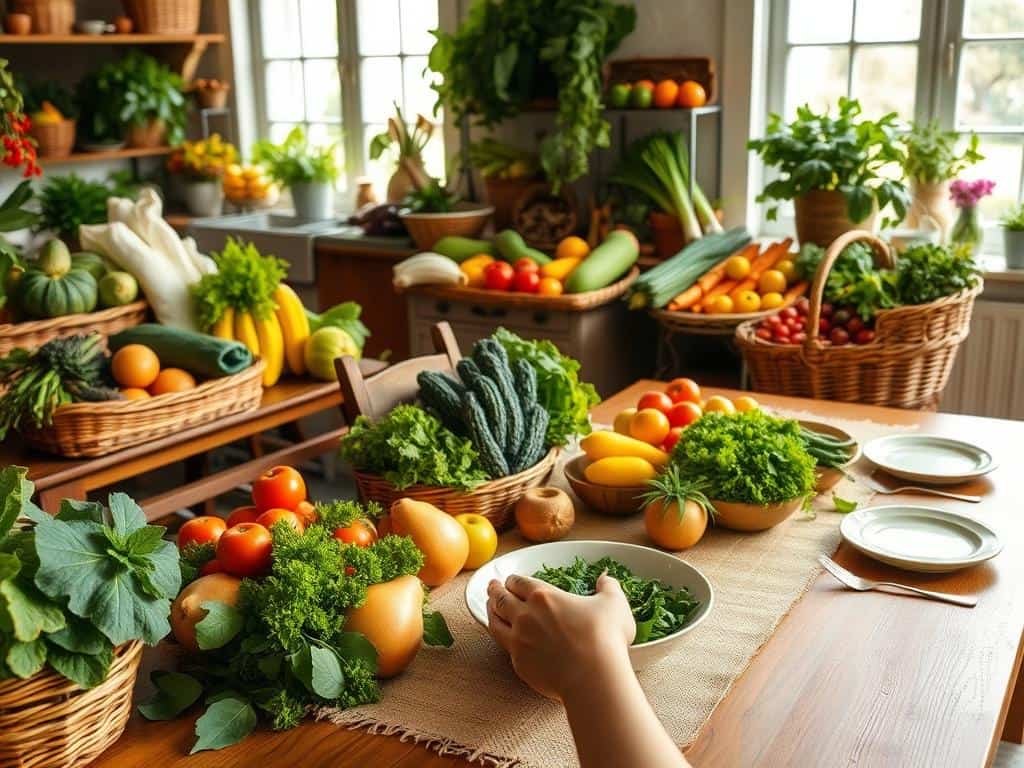
Choosing a plant-based diet means eating more whole, natural foods. Brown rice, for example, uses a lot of water to grow. I try to eat more plant proteins to cut down on my diet’s harmful gases. Visiting farmers’ markets teaches me about local foods and how to eat better for the earth.
Support Sustainable Agriculture
It’s important to support farming that’s good for the earth. By choosing sustainable seafood and eating less meat, I help protect our planet’s variety of life. Being smart about where my food comes from helps fight the damage from big farms.
Reduce Food Waste
About 30–40% of food in the U.S. gets thrown away. Eating mindfully means I waste less food. Planning my meals, storing food right, composting, and sharing food can reduce waste. Focusing on these steps helps me eat in a way that’s better for the earth.
Conclusion
The link between what I eat and the planet’s health is deep. Learning how my food choices affect the earth has been an eye-opener. About one-third of greenhouse gas emissions come from food production.
This uses more than two-thirds of our fresh water. Knowing this, I see how my daily choices impact our environment. I can either add to the problem or be part of the solution.
Making eco-friendly choices in my diet is a step towards sustainability. Choosing a plant-based diet and wasting less food helps the planet. This not only reduces my carbon footprint but also supports local and sustainable farming.
Reducing food waste saves money and lowers greenhouse gas emissions. About 10% of emissions come from food that gets thrown away.
My decisions affect more than just me; they have a broader impact. By choosing sustainable food habits, I help fight climate change. This isn’t only good for me but also for future generations.
If we all focus on eco-friendly eating habits, we can make a big difference. It shows how important it is to think about what we eat. This matters now and for many years ahead.
