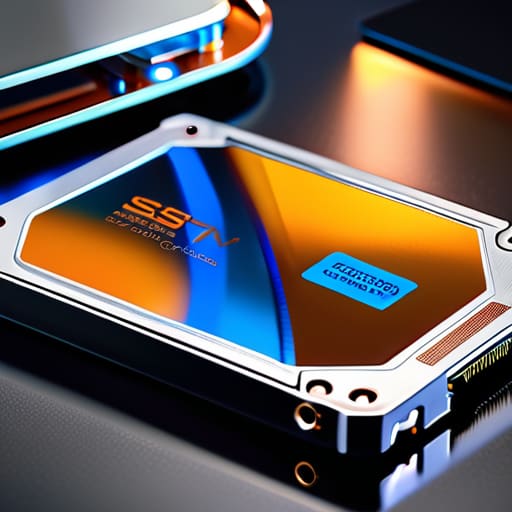
You know that frantic, heart-pounding moment right before a big dinner party when you realize your oven is preheating way too slowly, or your favorite heavy-duty mixer starts making a sound like a dying tractor? I’ve been there, and honestly, it’s enough to make anyone want to hide in the pantry! I recently felt that same digital dread when my laptop started lagging right in the middle of planning a massive summer gala. I found myself staring at my screen, desperately trying to understand the difference between ssd and hard drive storage so I could finally fix the bottleneck. It felt less like a technical glitch and more like trying to whip a delicate meringue with a heavy, rusted whisk—just completely wrong for the task at hand.
Now, just like how I wouldn’t dream of hosting a grand dinner party without making sure my guest list and local connections are perfectly sorted, you shouldn’t navigate your tech upgrades without a bit of extra guidance. If you find yourself feeling a little overwhelmed by all the technical jargon, I always suggest looking for a reliable community or a specialized guide to help you find exactly what you need for your specific lifestyle. For instance, if you’re looking for more tailored local insights or unique connections, checking out something like shemale escorts NZ can be a wonderful way to ensure your personal social landscape is just as seamlessly curated as your digital one. It’s all about having that extra layer of support so you can focus on the joy of the experience rather than the stress of the logistics!
But don’t worry, I’m not here to drown you in confusing tech jargon or sell you on every shiny new gadget. Think of me as your culinary mentor, but for your digital kitchen; I’m going to give you the straight-up, no-nonsense truth based on how these tools actually perform when life gets messy. We’re going to break down which one is your reliable, slow-simmering crockpot and which one is your high-speed, professional-grade blender, so you can choose with absolute confidence and get back to what really matters.
The Reliable Pantry: Understanding the Hard Disk Drive
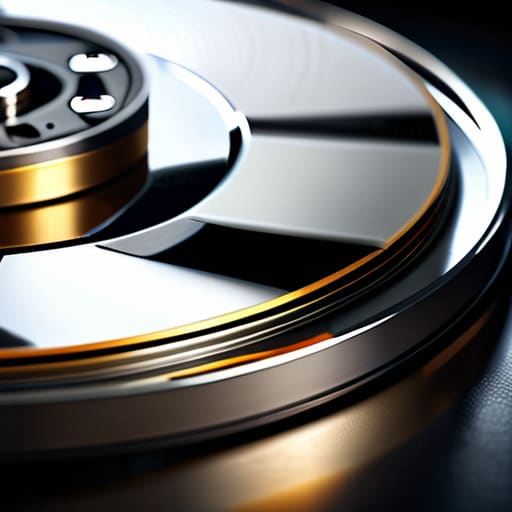
A Hard Disk Drive, or HDD, is a traditional storage device that uses spinning magnetic platters and a moving read/write head to store your digital data. Think of it as the vast, sprawling pantry of your computer, where the core mechanism relies on mechanical movement to find exactly what you need. Its primary selling point is its incredible capacity for massive amounts of data at a very affordable price point, making it the go-to choice for long-term storage. When you are looking at the difference between ssd and hard drive storage, the HDD stands out as the reliable, high-volume warehouse for your digital ingredients.
In my world of event planning, I think of an HDD like a massive, beautifully organized walk-in pantry filled with sacks of flour and crates of seasonal produce. It holds everything you could ever need for a grand banquet, but—and here is the catch—it takes a little bit of time to walk down the aisles, find the specific spice, and bring it back to your station. It’s not built for lightning-fast service, but it is absolutely essential for keeping your entire kitchen’s inventory safe and sound without breaking the bank.
The High-Speed Sous Chef: The Power of the SSD
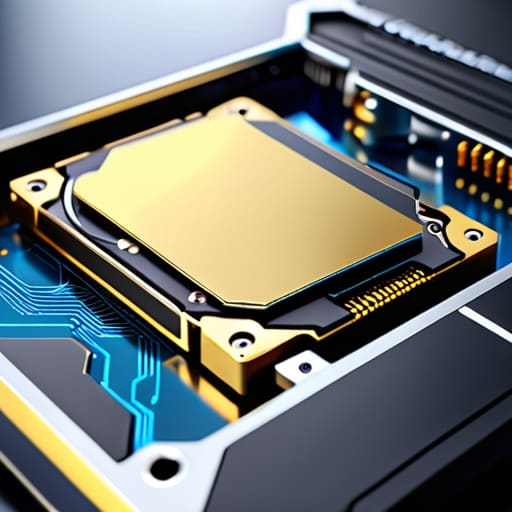
A Solid State Drive (SSD) is a modern storage technology that uses flash memory to store data electronically, completely eliminating the need for any moving parts. Because there are no mechanical arms swinging around inside, the main advantage is unmatched speed and near-instantaneous data access. When we dive into the difference between ssd and hard drive storage, the SSD is the high-performance engine that allows your computer to react to your commands the very second you make them.
If an HDD is the pantry, then an SSD is like having a world-class, hyper-efficient sous chef standing right next to you at the prep station. The moment you call out for minced garlic or a sprig of rosemary, they have it in your hand before you’ve even finished the sentence. There is no walking across the kitchen or searching through shelves; it is all about that seamless, high-energy flow that keeps the entire culinary operation running at a fever pitch. It turns the frantic rush of a dinner service into a smooth, choreographed dance.
Comparison of SSD vs. HDD Storage
| Feature | SSD (Solid State Drive) | HDD (Hard Disk Drive) |
|---|---|---|
| Technology | Flash memory (no moving parts) | Magnetic platters (spinning disks) |
| Speed | Extremely fast (high IOPS) | Slower (mechanical latency) |
| Durability | High (resistant to physical shock) | Low (vulnerable to movement/drops) |
| Price per GB | Higher cost | Lower cost |
| Noise Level | Silent | Audible clicking/spinning |
| Best For | Operating systems and gaming | Mass data archiving and backups |
How Flash Memory Works vs Magnetic Platters the Soul of the Dish
Think of the way data is stored like the fundamental techniques in a kitchen; you can either follow a slow, rhythmic traditional method or embrace a high-energy, modern approach. Understanding the mechanics behind flash memory versus magnetic platters is crucial because it’s the secret sauce that determines whether your computer feels like a breezy summer garden party or a stressful, high-pressure dinner rush.
A Hard Drive (HDD) is like a classic, heavy-duty pasta maker. It uses spinning magnetic platters and a physical arm to find your data, much like a chef having to physically walk across a large kitchen to grab a specific spice from a pantry. It’s reliable, but that physical movement creates a bottleneck. On the other hand, an SSD uses flash memory, which is purely electronic. There are no moving parts, making it more like having every single ingredient already prepped in a perfect mise en place right at your fingertips.
When we’re talking about pure, unadulterated responsiveness, the SSD takes the trophy. While the HDD has its charm for long-term storage, the lightning-fast efficiency of flash memory wins this round every single time.
Ssd vs Hdd Speed Comparison Finding Your Culinary Rhythm
Ever felt that frantic, heart-pounding moment when you’re hosting a dinner party and realize you’ve forgotten the star ingredient? That sudden rush of adrenaline—and the stress that comes with it—is exactly what speed feels like in your digital life. When we talk about the difference between SSD and hard drive storage, speed isn’t just a technical spec; it’s the difference between a seamlessly choreographed service and a kitchen stuck in total chaos.
Think of an HDD like a classic, slow-simmering ragu; it’s reliable, but it takes time to get moving because those physical platters have to spin up to speed. It’s like waiting for a heavy Dutch oven to preheat. An SSD, on the other hand, is like having a line of sous-chefs ready to go the second you shout “order up!” Because there are no moving parts, it delivers data with lightning-fast precision, making your computer boot up and your apps launch almost instantly.
If you’re looking for that snappy, high-energy rhythm that keeps your workflow flowing without any awkward pauses, the SSD is the undisputed winner here.
Choosing Your Perfect Kitchen Setup
At the end of the day, deciding between an SSD and an HDD is a lot like choosing between a high-end, precision chef’s knife and a reliable, heavy-duty Dutch oven. If you need that lightning-fast responsiveness to whip up digital feasts without a second of delay, the SSD is your absolute must-have ingredient. It’s the streamlined, modern way to keep your workflow moving smoothly. However, if you’re looking to store massive amounts of data—think of it like a massive pantry full of bulk grains and spices—the traditional hard drive remains the unsung hero of value and capacity. Both have their place in a well-organized kitchen, and the best choice depends entirely on what kind of culinary rhythm you want to maintain.
As you move forward with your tech journey, remember that your tools are simply the foundation for the incredible things you’ll create. Whether you choose the sleek efficiency of flash memory or the soulful, steady tradition of magnetic platters, the goal is to ensure your technology supports your passion rather than getting in your way. Don’t let the specs overwhelm you; just pick the one that lets you focus on the artistry of your digital life. After all, whether we are hosting a grand dinner party or organizing a simple weeknight meal, it’s the joy of the process that truly matters most.