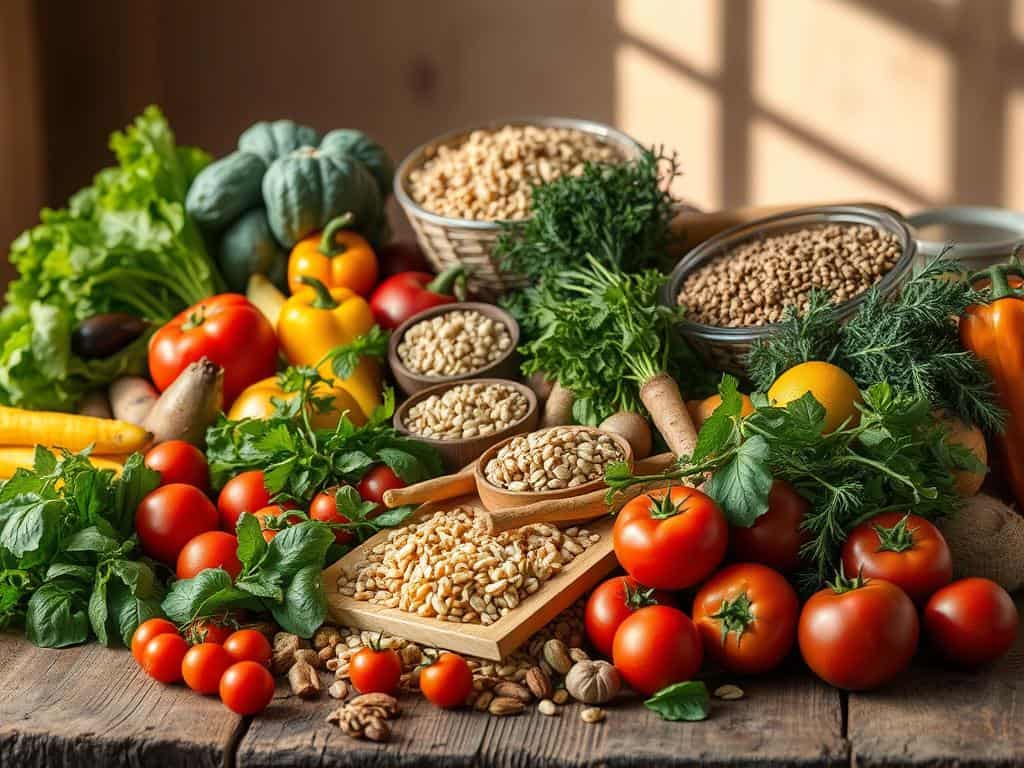
Did you know buying local produce cuts down on transportation emissions? Foods from far places, like Chile, need lots of transport. This adds to their carbon footprint. Cooking with seasonal ingredients is good for your taste buds and the Earth. By choosing fresh, local harvests, I boost the flavor and healthiness of my meals. I’m also helping local farmers and promoting sustainable farming.
There’s more to seasonal cooking than just great flavor; it connects me with my community’s farmers. By choosing ingredients directly from my local market, items like cabbage and heirloom tomatoes are not just fresher. They’re often cheaper than imported goods. Seasonal cooking makes my food a celebration of what nature offers all year round.
Key Takeaways
- Local produce reduces transport emissions and supports sustainable agricultural systems.
- Seasonal eating connects me with farmers and enhances the overall quality of my diet.
- Fresher ingredients from local farmers lead to richer flavors and better nutrition.
- Shopping at farmers’ markets often presents lower prices compared to grocery chains.
- Seasonal cooking can encourage new culinary preferences and overall food enjoyment.
Benefits of Cooking with Seasonal Ingredients
Using seasonal ingredients when cooking is full of perks. I’ve discovered these perks make cooking more fun. They also better my health, save me money, and help my local community.
Enhanced Flavor and Freshness
The best thing about cooking with what’s in season is how good everything tastes. Fruits and veggies are at their yummiest and healthiest when they’re ripe. Take broccoli, for example; it has way more vitamin C if you eat it in the fall rather than in spring. Seasonal foods make my meals pop with flavor, letting me taste their real goodness.
Cost-Effectiveness
Keeping my cooking affordable is crucial. Seasonal fruits and veggies are usually cheaper due to plentiful harvests. This leads to better prices for everyone. Since seasonal items don’t travel far or need much storage, I end up saving money. This way, my food bill is lower without skimping on nutrition.
Support for Local Farmers and Farm-to-Table Practices
I love supporting local farmers by choosing seasonal items. Buying from them helps with their livelihood and encourages eco-friendly farming. I often visit local farmer markets where I can find tasty, fresh produce. This not only boosts our local economy but also cuts down on pollution from shipping foods over long distances.
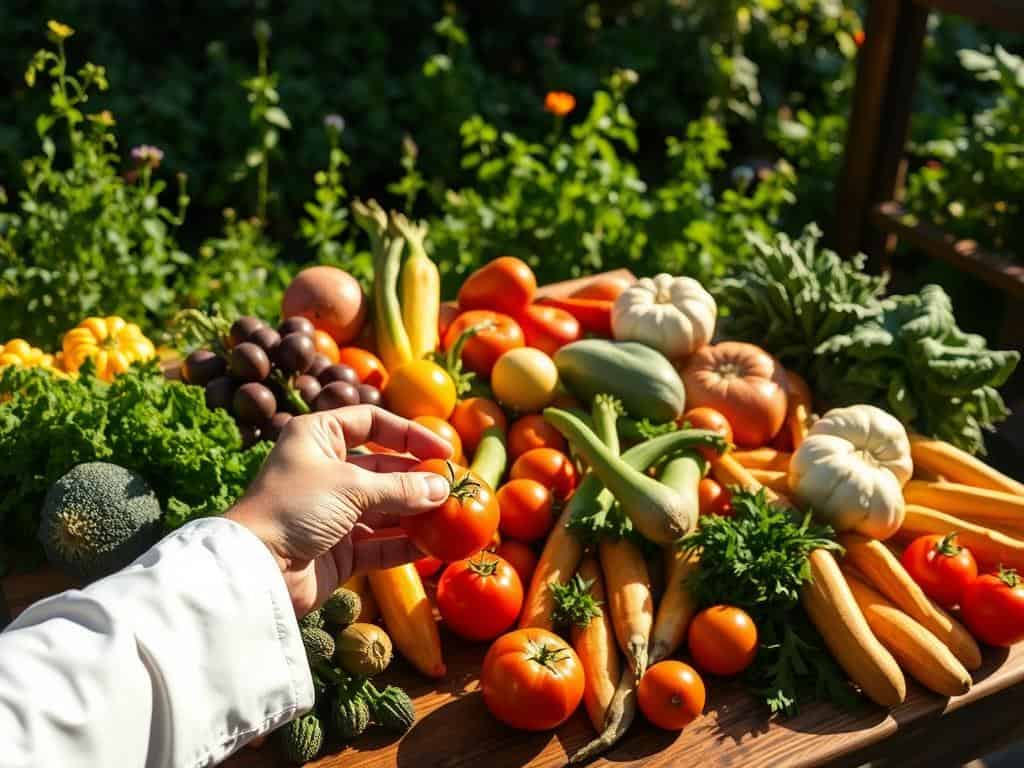
Cooking with Seasonal Food: The Year-Round Guide
Cooking with seasonal food adds freshness to my kitchen. It also supports local farms and cuts down on waste. By using a seasonal guide, I pick the best ingredients all year. Each month brings new produce, letting me try different flavors and dishes. Here, I share monthly picks to spark your cooking creativity.
Seasonal Ingredients by Month
January: Root Vegetables and Hardy Greens
In winter, I love root veggies and tough greens. Think carrots, turnips, and kale for warm soups and stews. They make winter meals special.
February: Comfort Foods with Seasonal Veggies
February is for comfort food with a seasonal twist. Using butternut squash, Brussels sprouts, and sweet potatoes makes meals filling and heartwarming.
March: Welcoming Early Spring Produce
March brings early spring produce into my kitchen. Tender greens and bright radishes freshen up my meals. It’s a great time for light salads that highlight new growth.
April to June: Celebrating Spring and Early Summer Harvests
From spring to early summer, my dishes get lively with asparagus, peas, and strawberries. It’s a chance to enjoy bright, flavorful dishes, using the freshest seasonal produce.
July to September: Peak Summer Produce
In the heart of summer, I use tomatoes, sweet corn, and colorful stone fruits. These ingredients bring my cooking to life, offering taste and health benefits. They also help local farmers.
October to December: Autumn Harvest and Winter Warmers
When it gets cooler, I turn to autumn and winter flavors. Pumpkins, apples, and robust greens dominate my cooking. It’s a time for cozy meals that celebrate the season. I also preserve fruits by canning or freezing for later use.
Conclusion
Cooking with seasonal ingredients makes my meals tastier and fresher. It also brings many benefits beyond the plate. The flavor and health benefits of my food improve. Plus, I support local farmers and sustainable practices.
Choosing seasonal foods means my dishes are more than just food. They let me explore the natural variety of the seasons. I get to taste the best each season offers. This way, eating becomes an enjoyable adventure.
I help support local food systems by using seasonal ingredients. Many people see the value in buying local food and are willing to pay more for it. This supports our local economy and strengthens community ties. It also reduces the environmental costs of transporting food from far away.
Seasonal cooking brings different flavors and dishes into my kitchen each year. Every season has its own special ingredients to celebrate. These choices make eating a fun experience. By doing this, I enjoy the benefits of seasonal foods. I also live in a more sustainable and mindful way.
